The "Racism is a Virus" T-shirt Design: A Case Study in Purpose-Driven Apparel
In recent years, the intersection of fashion and social commentary has become increasingly pronounced. Among the most compelling expressions of this convergence is the Racism is a Virus T-shirt Design. At first glance, it is a simple piece of wearable art. Upon closer examination, it represents a significant shift in how creators, entrepreneurs, and consumers approach apparel as a medium for communication, identity, and change. This design has not only captured public attention but has also become a case study in how a single visual concept can reflect and respond to deeper cultural, commercial, and technological currents.
For professionals across industries—from marketing to product development, from content creation to retail strategy—understanding the trajectory and impact of the Racism is a Virus T-shirt Design offers valuable insights into the evolving relationship between commerce and conscience. This article explores what this design represents, why it has gained traction, and how it fits into broader developments in creative expression, consumer behavior, and market dynamics.
What the Racism is a Virus T-shirt Design Represents
The Racism is a Virus T-shirt Design uses a powerful metaphor to frame systemic prejudice as a communicable social ill. By likening racism to a virus, the design taps into a familiar conceptual framework—one that gained particular resonance during the global pandemic. However, its relevance extends far beyond any single event. The design capitalizes on the idea that harmful ideologies, much like pathogens, can spread, mutate, and require collective action to contain and eradicate.
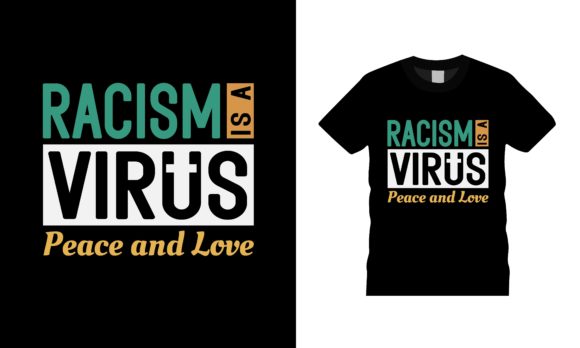
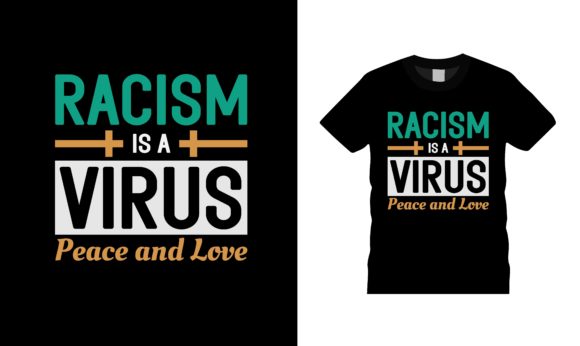
Visually, the design often incorporates graphic elements such as viral motifs, cellular structures, or metaphorical imagery paired with bold typography. The aesthetic is typically clean, direct, and memorable, making it suitable for both protest settings and everyday wear. This duality is intentional. The Racism is a Virus T-shirt Design is not merely a slogan; it is a statement that invites conversation, reflection, and action.
For creators and designers, this concept exemplifies how abstract social critiques can be translated into tangible, marketable products without losing their intellectual or emotional weight. It demonstrates the power of visual metaphor in bridging complex ideas with accessible design—a skill that is increasingly valuable in a crowded marketplace where consumers demand both substance and style.
Industry and Market Context: Where Activism Meets Apparel
The rise of the Racism is a Virus T-shirt Design must be understood within the broader context of the apparel industry's transformation over the past decade. The fashion world has seen a marked shift from purely aesthetic or status-driven products toward items that carry meaning, tell stories, or advocate for change. This trend is not limited to niche activism; it has entered mainstream retail, influencing everything from luxury brands to fast fashion.
Several factors have converged to create a fertile environment for designs like this one:
- Consumer activism: Shoppers, particularly younger demographics, increasingly prioritize brands and products that align with their values. According to multiple industry studies, a significant portion of consumers are willing to pay a premium for goods that support social causes.
- Social media amplification: Platforms like Instagram, TikTok, and X (formerly Twitter) allow designs to go viral in ways that were impossible a decade ago. A single post featuring a Racism is a Virus T-shirt Design can reach millions of viewers and spark global conversations.
- Direct-to-consumer (DTC) models: Entrepreneurs and small creators can now produce and sell niche designs without needing traditional retail infrastructure. Print-on-demand services, in particular, have lowered the barrier to entry for purpose-driven apparel.
- Cultural urgency: Social justice movements, including those addressing racial equity, have gained unprecedented visibility and public support. Apparel has become a visible marker of solidarity and awareness.
Within this landscape, the Racism is a Virus T-shirt Design stands out because it encapsulates a complex critique in a single, memorable image. It does not require explanation, yet it invites deeper engagement. For marketers and entrepreneurs, this represents an ideal balance between clarity and depth—a lesson that applies well beyond the fashion industry.
Why People Are Paying Attention to This Design
Public attention toward the Racism is a Virus T-shirt Design can be attributed to several overlapping factors. First, the design addresses a topic that remains at the forefront of public discourse. Racial inequality, systemic discrimination, and the mechanisms of prejudice are issues that affect communities worldwide. By framing racism as a virus, the design reframes the conversation from one of individual blame to one of collective responsibility—a shift that resonates with many audiences.
Second, the design capitalizes on cultural literacy. Audiences in the post-pandemic era are intimately familiar with the language of contagion, spread, and immunity. The metaphor feels neither abstract nor academic; it is grounded in lived experience. This makes the Racism is a Virus T-shirt Design immediately understandable and emotionally accessible.
Third, the design aligns with a broader trend toward conscious consumption. Consumers are no longer satisfied with passive purchasing; they want their choices to reflect their identities and commitments. Wearing a design that explicitly names and critiques racism is a way of signaling values in public space. For freelancers, creatives, and professionals who attend conferences, networking events, or community gatherings, such apparel can serve as a conversation starter and a statement of intent.
Finally, the design benefits from the visibility of grassroots movements. When individuals wear the Racism is a Virus T-shirt Design at protests, community events, or even in daily life, they contribute to a visual culture that normalizes anti-racist dialogue. This organic, bottom-up promotion is far more authentic and effective than traditional advertising.
Changing Consumer Preferences and the Demand for Meaning
The success of the Racism is a Virus T-shirt Design reflects a fundamental shift in consumer expectations. Where once a T-shirt was primarily a functional or decorative item, it is now increasingly seen as a platform. Consumers expect the products they buy to reflect their values, educate others, or contribute to social change. This evolution has implications for how entrepreneurs, marketers, and creators develop and position their offerings.
Several key changes in consumer behavior are worth noting:
- Value alignment over brand loyalty: Consumers are more likely to support a product that aligns with their worldview, even if they are unfamiliar with the brand. This means that a well-designed message can compete with established labels.
- Desire for authenticity: Audiences are skilled at detecting performative activism. Designs that feel opportunistic or shallow are quickly dismissed. The Racism is a Virus T-shirt Design succeeds because it is direct and unapologetic, without being exploitative.
- Expectation of transparency: Consumers increasingly want to know where and how products are made. For apparel with a social message, ethical production practices are often as important as the design itself.
- Interest in dialogue: Modern consumers use products to communicate. A T-shirt is not just clothing; it is a medium for expressing opinions, sparking discussions, and building community. The Racism is a Virus T-shirt Design facilitates all of these functions.
For entrepreneurs and marketers, these trends underscore the importance of purpose-driven product development. Rather than starting with a design and adding a message later, the most effective approach is to begin with a clear understanding of the values and conversations the product is meant to serve. The design then becomes an authentic extension of those values.
Practical Considerations for Creators and Entrepreneurs
For those looking to create or market designs in the same vein as the Racism is a Virus T-shirt Design, several practical lessons emerge. First, clarity of concept is non-negotiable. A design that tries to say too much often ends up saying nothing. The most impactful designs distill a complex idea into a single, powerful image or phrase. Every element—typography, color, composition—should reinforce the core message.
Second, cultural sensitivity is critical. When addressing topics like racism, creators must be aware of the communities they reference and the potential for misinterpretation. Working with consultants or collaborators from affected communities can ensure that the design is respectful and accurate. The Racism is a Virus T-shirt Design has generally been received positively because it critiques a system rather than targeting individuals, but even so, context matters.
Third, distribution and logistics matter. The best design in the world will not have an impact if it cannot reach its intended audience. Entrepreneurs should consider print-on-demand partnerships, social media marketing, and collaborations with influencers or organizations that align with the message. For the Racism is a Virus T-shirt Design, many creators have partnered with non-profits or grassroots groups, donating a portion of proceeds to anti-racism initiatives. This adds credibility and amplifies impact.
Fourth, longevity over trendiness is a strategic advantage. While some designs chase viral moments, the most successful ones remain relevant over time. The metaphor of racism as a virus is not tied to a single news cycle; it is a durable framework that can sustain ongoing dialogue. Creators should consider whether their designs have this kind of staying power.
The Design as a Reflection of Larger Cultural Shifts
The Racism is a Virus T-shirt Design is not an isolated phenomenon. It is part of a larger movement in which fashion, technology, and activism converge. Social media has enabled rapid dissemination of ideas, while print-on-demand technology has democratized production. At the same time, a growing awareness of systemic inequality has created demand for products that name and challenge injustice.
This convergence is reshaping multiple industries. In marketing, the line between brand and activist is blurring. In product development, ethics and aesthetics are no longer separate considerations. In entrepreneurship, the most successful ventures are often those that articulate a clear social mission alongside a viable business model. The Racism is a Virus T-shirt Design exemplifies how a single product can embody all of these trends.
Moreover, the design speaks to a broader cultural shift toward visual literacy. Audiences today are accustomed to consuming complex information quickly through images, symbols, and short text. A T-shirt design that communicates a sophisticated critique in a split second is a form of communication that is perfectly suited to the digital age. This is why the same design can appear on a screen, at a protest, in a retail display, and in a casual conversation—it works across contexts because its visual language is universal.
For professionals in creative fields, the takeaway is clear: the ability to distill ideas into compelling visual forms is an increasingly valuable skill. Whether you are designing a product, a campaign, or a presentation, the principles that make the Racism is a Virus T-shirt Design effective apply to a wide range of disciplines. Clarity, relevance, emotional resonance, and cultural awareness are not just design principles—they are strategic assets.
Looking Ahead: The Future of Purpose-Driven Apparel
As consumer expectations continue to evolve, the demand for products that combine aesthetics with advocacy will only grow. The Racism is a Virus T-shirt Design offers a blueprint for how to meet that demand in a way that is authentic, impactful, and sustainable. For entrepreneurs, marketers, and creators, the lesson is not to copy the design, but to understand the principles behind its success.
Future developments in this space will likely include greater integration of digital technology, such as augmented reality experiences linked to apparel, or blockchain-based provenance tracking to verify ethical production. The core design philosophy, however, will remain the same: use visual communication to connect with audiences on issues that matter. The Racism is a Virus T-shirt Design is proof that a simple idea, when executed with care and conviction, can resonate far beyond its original context.
In an era of information overload, clarity is a competitive advantage. In a market saturated with choices, meaning is a differentiator. And in a time of social upheaval, products that articulate a vision for a better world are not just desirable—they are necessary. The Racism is a Virus T-shirt Design is one example of how creativity, commerce, and conscience can come together to produce something that is both commercially viable and culturally significant. For anyone working at the intersection of these forces, it is a model worth studying.