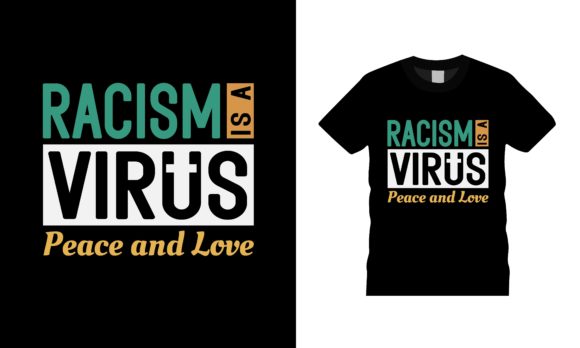
Racism is a Virus T-Shirt Designs: Fashion as a Statement Against Injustice
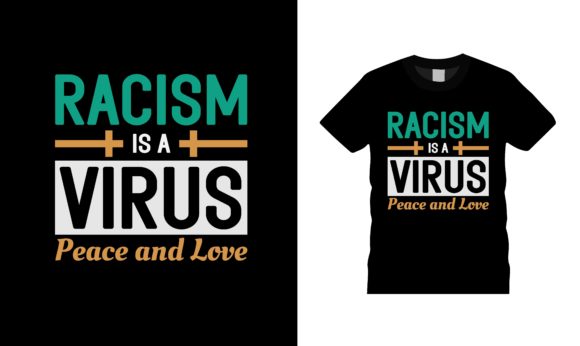
Walking through a crowded market or scrolling through an independent online store, you have likely noticed shirts carrying the phrase “Racism is a Virus.” These designs do more than fill a wardrobe. They capture a cultural moment where clothing becomes a canvas for conviction. At first glance, the message is direct. But the design choices behind it—typography, color, imagery, placement—carry layers of meaning that speak to how people want to be seen and what they stand for.
In an era when consumers increasingly align their purchases with their values, Racism is a Virus T-shirt Designs offer a way to wear one’s beliefs visibly. The relevance of this trend goes beyond fashion. It intersects with activism, identity, and the growing expectation that brands and individuals take a stand. Understanding what makes these designs effective, why people gravitate toward them, and how they fit into broader shifts in culture can help creators, entrepreneurs, and everyday buyers make more intentional choices.
What Makes These Designs Resonate Now
Social movements do not exist in isolation. They influence how people communicate, and fashion has always been a powerful medium for that communication. The phrase “Racism is a Virus” gained traction during global protests against racial injustice, and its metaphor—comparing systemic racism to a disease that spreads if unchecked—resonated deeply. Putting that phrase on a shirt transforms it from a slogan into a daily reminder.
But the design itself matters immensely. A shirt that simply prints the words in a generic font may catch attention briefly, but it lacks staying power. Strong Racism is a Virus T-shirt Designs integrate thoughtful visual elements. Some use medical illustration motifs, like virus graphics or heartbeat lines, to reinforce the metaphor. Others adopt minimalist typography with bold, clean lines that convey seriousness without shouting. The choice of color also plays a role: muted tones suggest quiet reflection, while high-contrast palettes signal urgency.
People pay attention to these designs because they feel personal. When someone wears a shirt that says “Racism is a Virus,” they are not just broadcasting a message. They are signaling that they have thought about the issue and are willing to engage in conversations about it. For many, it becomes a conversation starter that breaks the ice on a difficult topic.
How the Trend Has Evolved
Political and social statement t-shirts are nothing new. From band tees to protest slogans, clothing has long been a way to express affiliation. What has changed is the level of design sophistication and the expectations of the audience.
Earlier iterations of anti-racism apparel often relied on simple text or generic symbols. Today, Racism is a Virus T-shirt Designs reflect a much higher standard. Designers borrow from contemporary illustration, graphic design trends, and even data visualization. Virus imagery is rendered in stylized, almost artistic ways. Typography is chosen not just for legibility but for emotional tone—serif fonts for gravitas, sans-serif for modernity, handwritten scripts for a personal touch.
Another evolution is the shift from mass-produced to small-batch or print-on-demand production. This allows independent creators to test designs quickly and respond to cultural moments in real time. It also means that buyers can find unique, thoughtfully made pieces that avoid the feeling of corporate co-optation. When a garment comes from an independent artist who shares the values behind the design, the purchase feels more authentic.
Social media has accelerated this evolution. A single well-shot photo of a shirt on Instagram or TikTok can spark hundreds of orders. Hashtags like #FashionActivism and #WearYourValues have created communities where people share how they style their statement pieces. This has pushed designers to think about not just the front of the shirt, but the overall aesthetic—how the design photographs, how it pairs with other clothing, and what kind of vibe it projects.
Why People Are Paying More Attention to Design Choices
Consumers today are visually literate. They have seen thousands of logos, ads, and social graphics, and they can tell when a design is an afterthought versus when it is intentional. For a message as weighty as “Racism is a Virus,” the design cannot feel flippant or careless.
This is where the deeper relevance of Racism is a Virus T-shirt Designs becomes clear. A poorly executed design can undermine the message. If the typography is hard to read, the colors clash, or the imagery feels cliché, the shirt may fail to communicate the seriousness of the issue. On the other hand, a well-crafted design reinforces the message with every glance. It looks good enough to wear regularly, which means the message reaches more eyes over time.
People are also paying more attention because they want to avoid performative activism. Wearing a statement shirt should feel like a genuine expression of belief, not just a trend. Thoughtful design supports that authenticity. When someone buys a shirt with a carefully chosen font, a meaningful graphic, and quality printing, they are more likely to feel a personal connection to it. That connection translates into confident, repeated wear.
Educators and community advocates have taken note of this as well. Some use these shirts as teaching tools, wearing them to class or workshops to open dialogue. In those settings, the design becomes a visual aid that invites questions and discussion. A shirt that sparks a thoughtful conversation about systemic racism is doing more than making a fashion statement—it is contributing to awareness and education.
Practical Implications for Creators and Buyers
For designers and small business owners, the market for Racism is a Virus T-shirt Designs offers both opportunity and responsibility. The opportunity lies in the demand for authentic, high-quality statement pieces. People are willing to pay more for a shirt that feels meaningful and well-made. The responsibility is to approach the topic with care. This is not a subject that benefits from rushed or cynical production.
Creators should start by asking what they want the design to communicate. Is the goal to provoke thought, express solidarity, or educate? Different approaches suit different intentions. For example, a design that uses a subtle virus motif with clean text may feel more reflective, while one that uses bold red letters over a stark background may feel more urgent. Testing designs with a small audience before scaling up can provide valuable feedback.
Also consider the garment itself. A powerful design on a low-quality shirt that shrinks after one wash will disappoint buyers and dilute the message. Invest in quality blanks, use reliable printing methods, and be transparent about production practices. Buyers appreciate knowing that their purchase supports ethical production.
For individuals looking to buy such a shirt, the advice is similar: look for quality and intentionality. Check the designer’s background and mission. Read reviews about fit and print durability. Consider how the design aligns with your own values and how you plan to wear it. A good Racism is a Virus T-shirt Design should feel like a natural extension of your personal style, not a costume you put on only for events.
Ways to Style and Use These Designs
Beyond the purchase decision, there is the question of how to integrate these shirts into daily life. They work well in casual settings—pairing with jeans, layered under a blazer, or tucked into a skirt. Some people wear them to protests or community gatherings, while others wear them to the grocery store or coffee shop. The point is normalization: when a statement shirt appears in everyday settings, the message becomes part of the ordinary landscape, which reduces its shock value and increases its reach.
For professionals who want to wear such a shirt but work in environments with dress codes, there are creative workarounds. Wearing the shirt under a neutral cardigan or jacket and revealing it partially keeps the message visible without being overwhelming. Some educators and facilitators use these shirts on specific days—such as during diversity training sessions or cultural awareness weeks—to signal their commitment to the topic.
Content creators and influencers have also embraced these designs as part of their visual branding. A well-curated Instagram feed that includes an occasional photo wearing a meaningful t-shirt can humanize a profile and spark engagement. Followers often ask about the shirt, leading to conversations about its message and where to buy it.
Observing the Shift in Consumer Expectations
The broader market is moving toward what some call “conscious consumption.” People want to know the story behind what they buy. They want products that align with their ethics. Racism is a Virus T-shirt Designs fit squarely into this trend because they are inherently values-driven. But this also means that inconsistency is quickly noticed. If a brand sells anti-racist shirts but does not have diverse representation in its models, or if its production practices are opaque, consumers will call that out.
Transparency matters. Customers appreciate knowing how the shirt was made, whether the designer donates a portion of proceeds to relevant organizations, and what actions the brand takes beyond selling merchandise. Some designers include a hang tag or card that explains the inspiration behind the design and suggests ways to continue learning about the issue. These small touches build trust and differentiate a genuine effort from a quick cash grab.
The best examples of Racism is a Virus T-shirt Designs come from creators who are personally invested in the fight against racism. Their designs reflect lived experience and genuine commitment. That authenticity resonates with buyers who are tired of hollow corporate slogans. It also means that the design itself is more likely to be nuanced, avoiding oversimplified messages that could feel dismissive of the complexity of racism.
Recommendations for Moving Forward
If you are a creator looking to enter this space, start with research. Look at what other designers have done well and where there are gaps. Consider collaborating with activists or educators to ensure your design is respectful and accurate. Test your designs with a diverse group of people and be open to feedback. The goal is not just to sell shirts, but to contribute positively to the conversation.
If you are a buyer, think about your shirt as a tool. When you wear it, you are inviting reactions. Prepare yourself for questions, comments, and even disagreements. That is part of the value. A good design gives you a way to start a conversation that might otherwise never happen. Choose a design that you feel confident representing, because you will be representing it every time you put it on.
- Prioritize quality printing and durable fabrics so the shirt lasts beyond one season.
- Look for designs that include a clear visual metaphor or thoughtful typography, not just text.
- Support independent artists and small brands that are transparent about their process and values.
- Consider buying multiple designs to rotate, keeping the message fresh for your own engagement.
- Pair your shirt with actions—donations, volunteering, continued education—to ensure your statement has depth.
Wearing a message on your chest is a small act, but it is a visible one. Racism is a Virus T-shirt Designs have become part of a larger effort to keep conversations about racial justice present in everyday life. They remind us that the fight against racism is ongoing and that we each have a role. Whether you are designing, selling, or wearing these shirts, the key is to approach them with the same seriousness and care that the topic deserves. When done right, a simple t-shirt can carry weight far beyond its fabric.