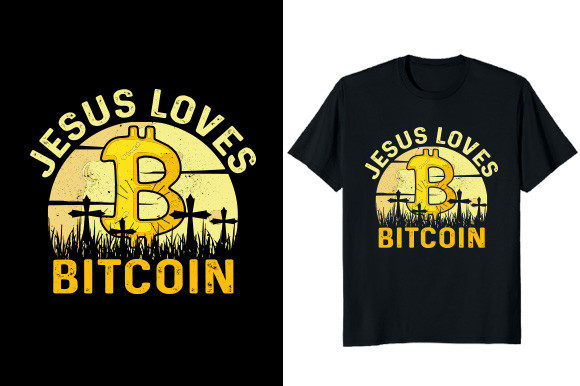
Jesus Loves Bitcoin T‑Shirt Design
Wearing your beliefs on your sleeve takes on new meaning when faith and finance converge. A Jesus Loves Bitcoin t-shirt design is exactly that: a wearable statement that marries Christian symbolism with the ethos of cryptocurrency. For some, it is a lighthearted conversation starter. For others, it is a bold declaration that spiritual values and digital innovation can coexist. Whether you are considering buying one, designing your own, or evaluating the niche market for such apparel, understanding the nuances of this design concept helps you decide if it fits your style, purpose, or business.
What Exactly Is a Jesus Loves Bitcoin T‑Shirt Design?
At its core, the design blends two distinctive visual languages. On one side, you have Christian iconography: crosses, fish symbols, halos, or scriptural references like “John 3:16” or “Faith.” On the other, Bitcoin’s familiar orange B logo, blockchain motifs, or phrases like “HODL” and “Decentralized.” The phrase “Jesus Loves Bitcoin” itself can appear in a classic serif font reminiscent of a church bulletin or a modern sans‑serif that echoes a crypto exchange. The balance between reverence and playfulness is what makes the design resonate—or miss the mark—depending on the audience.
The design is not just a graphic; it is a cultural artifact. It reflects an intersection of two communities that sometimes overlap: Christians interested in financial sovereignty and tech‑savvy believers who see Bitcoin as a tool for economic empowerment. The best executions treat both symbols with respect while allowing room for personality.
Why Different Audiences Care About This Design
No single interpretation fits everyone. Here is how various people approach the Jesus Loves Bitcoin t-shirt design from their own vantage points.
The Curious Beginner or Hobbyist
If you are new to both faith‑based apparel and cryptocurrency, this design might spark your curiosity. You may have heard about Bitcoin’s potential but feel unsure about its alignment with your values. Wearing a shirt that says “Jesus Loves Bitcoin” can be a fun way to signal your openness to learning. For you, ease of understanding matters most. A design that clearly reads and uses recognizable symbols (a cross plus the Bitcoin logo) is ideal. You want something that people will ask about, giving you a chance to explain the connection without feeling preachy or technical.
Practical example: A beginner might choose a soft‑cotton tee with a small chest print—subtle enough for a casual meetup but clear enough to invite questions. The priority here is approachability and comfort.
The Experienced Crypto Enthusiast and Designer
For you, the design is an opportunity to express nuanced ideas. You know that Bitcoin represents more than money—it stands for decentralization, trust minimization, and personal sovereignty. You may want the shirt to reflect that depth. Perhaps you design your own version: a minimalist cross made of interconnected nodes, with the Bitcoin orange accenting a single line from the Sermon on the Mount. Creativity and flexibility are your top priorities. You will evaluate the design’s originality, its ability to communicate layers of meaning, and whether it avoids clichés.
Practical example: A designer might release a limited run of shirts where the “i” in “Bitcoin” is replaced by a small fish symbol (ichthys). The typography is clean, the colors are muted earth tones, and the message is printed on a high‑quality tri‑blend fabric. For you, the shirt is both a portfolio piece and a personal statement.
The Entrepreneur or Small Business Owner
Selling a Jesus Loves Bitcoin t-shirt design can be a viable niche if you understand your market. This audience evaluates commercial value, production cost, and long‑term usefulness. The design should appeal to a specific demographic—often young adult Christians who are also early adopters of crypto. Print‑on‑demand services make it low‑risk to test the concept. However, you must be careful with trademarked symbols (the Bitcoin logo is public domain, but avoid using copyrighted church imagery without permission).
Practical example: You might create three variants—classic, minimalist, and bold—and list them on a platform like Redbubble or your own Shopify store. Monitor which sells best: perhaps the minimalist version resonates with professionals, while the bold one appeals to students. Cost‑per‑print and shipping reliability are your primary concerns.
The Educator or Blogger
If you teach about economics, religion, or modern culture, this design can serve as a visual aid. You might use an image of the shirt in a blog post discussing how faith communities interact with emerging technology. Your focus is on presentation and learning value. The design should be clear enough to analyze in a screenshot or photograph. You are less concerned about wearing it and more about what it represents in a broader conversation about values and innovation.
Practical example: In a class on disruptive technology, you show the shirt and ask students: “Does this trivialize faith, or does it show that spiritual principles can inform financial ethics?” The design becomes a discussion starter, not a product.
The Conscious Consumer
You may want to buy the shirt but care deeply about quality, ethics, and longevity. You evaluate the fabric composition, the printing method (direct‑to‑garment vs. screen printing), and the company’s labor practices. A cheap, stiff shirt with a cracking print will not satisfy you. You also consider the message’s honesty—does the design genuinely reflect your beliefs, or does it feel like a gimmick? Long‑term usefulness matters: you want a shirt you can wear for years without the design feeling outdated.
Practical example: You look for a brand that uses organic cotton, prints with water‑based inks, and sources from fair‑trade factories. You choose a design that uses the Bitcoin symbol subtly, so the shirt remains wearable even if crypto trends shift.
Key Priorities to Weigh Before Choosing or Creating a Design
Different people will rank these priorities differently. Use the list below to decide what matters most in your situation.
- Ease of use and comfort: Is the shirt soft, breathable, and easy to care for? Beginners and everyday wearers value this above all.
- Visual clarity and message strength: Can a passerby quickly understand the blend of faith and cryptocurrency? If the design is too abstract, it may confuse rather than connect.
- Creativity and originality: Designers and collectors look for fresh takes that avoid overused tropes (like a cross inside the Bitcoin logo).
- Cost and commercial viability: Business owners need a balance between production expense and perceived value. A higher‑quality shirt can command a higher price.
- Reliability and durability: Will the print survive multiple washes? Will the fabric hold its shape? Consumers and hobbyists rarely buy a second time if the first shirt shrinks or fades.
- Long‑term relevance: The crypto world moves fast. A design that references a specific price or meme may age poorly. Timeless symbolism (faith + decentralized money) tends to endure.
How to Identify Whether This Design Matches Your Goals
Start by asking yourself why you are interested in a Jesus Loves Bitcoin t-shirt design. If your primary goal is to start light‑hearted conversations about two important parts of your life, then almost any clear, readable design will work. If you are a designer looking to make a statement, invest time in refining the visual balance—respect both symbols and avoid trivializing either. If you hope to sell the design, research your target audience thoroughly. A Facebook group for Christian crypto enthusiasts may react very differently than a general Etsy shopper.
Consider your skill level as well. Beginners can buy a ready‑made design from a reputable print‑on‑demand shop. More experienced creators can use vector software to produce custom artwork, testing different compositions before printing a sample. Professionals might license the design to a larger retailer or create a whole collection around the theme.
Finally, reflect on the message. Does “Jesus Loves Bitcoin” carry the meaning you intend? For some, it is playful and inclusive. For others, it may seem like mixing the sacred with the commercial. Wearing or selling the design means standing behind that fusion. If you are comfortable with the tension, the shirt becomes more than apparel—it becomes a statement about integrating faith, finance, and the future.