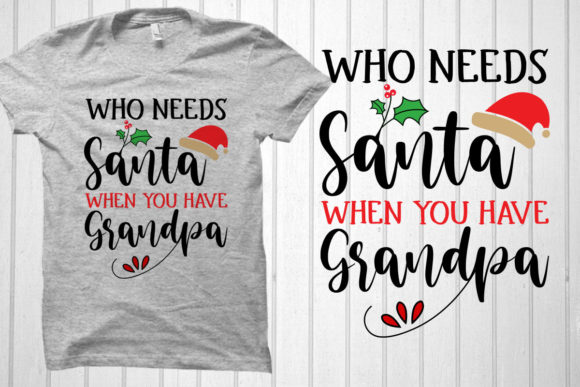
Who Needs Santa when You Have Grandpa
In a design world saturated with fleeting trends and loud, generic visuals, a more grounded philosophy is quietly reshaping how brands communicate. It's a sentiment perfectly captured in the phrase Who Needs Santa when You Have Grandpa—a reminder that trust, legacy, and genuine craftsmanship often outweigh flashy promises. For graphic designers and brand strategists, this isn't nostalgia; it's a practical framework for building visual identities that resonate deeply and outlast the inevitable churn of digital marketing fads.
Redefining Visual Hierarchy with Warmth and Authority
Traditional visual design often leans into what we might call the "Santa" archetype: bright primary colors, bold promises, and a focus on instant visual gratification. The "Grandpa" archetype, by contrast, relies on established trust, subtle texture, and genuine authority. In UI and UX design, this translates to empathetic user experiences where readability and intuitive navigation take precedence over flashy animations. In brand identity, it means selecting a typography pair and color palette that feels lived-in and reliable. The goal is a professional presentation that invites users in rather than overwhelming them with gimmicks.
Practical Applications Across the Design Workflow
Integrating this philosophy into your creative projects doesn't mean avoiding innovation—it means filtering every choice through a lens of lasting value. Here is how it applies across different mediums:
Branding and Logo Design
A logo built on this principle is inherently scalable and timeless. Think classic typography, strong silhouettes, and a restrained color palette. It consciously avoids trends like overly complex gradients or fleeting mascots that will date your brand within a season. The result is a brand mark that feels like it has a story—because it does.
Editorial and Print Design
In print and editorial design, this approach thrives on tactile quality. It is about choosing the right paper stock, leveraging generous negative space, and using a grid system that creates a natural visual hierarchy. The outcome feels curated and respectful of the audience's time, which is the ultimate form of good user experience.
Web and Digital Interfaces
For web design, the "Grandpa" mindset champions clarity and accessibility. It means clear navigation, legible body text (often a sturdy serif or a highly readable sans-serif), and a focus on content over chrome. It is the antithesis of dark patterns, prioritizing the long-term trust of the user over a short-term conversion metric.
Social Media and Marketing
Even in the fast-paced world of digital marketing, this philosophy holds significant weight. It favors authentic photography over generic stock imagery, consistent brand assets over chaotic templates, and copy that informs rather than just hypes. This approach builds a loyal community that trusts the brand's voice—a critical asset for any modern business.
Curating Creative Assets: The "Grandpa" Checklist
When evaluating design inspiration or sourcing assets for a project, shifting your criteria can dramatically improve your output. Instead of asking "Is this trendy?", ask "Is this true and durable?". Here is a practical guide for maintaining quality in your design workflow:
- Consistency is King: Does this element align with the established brand identity? A disjointed color palette or mismatched typography erodes brand trust instantly.
- Readability Over Flash: Is the core message immediately clear? If users struggle to parse the information, the visual impact is wasted.
- Scalability Matters: Does the logo work as a tiny favicon as well as a massive billboard? Complexity often fails the scale test, whereas simplicity passes every time.
- Embrace Negative Space: Generous margins and breathing room signal confidence. It shows that the brand does not need to fill every pixel with noise to prove its value.
- Prioritize Craft: Whether it is a custom illustration or a carefully chosen serif font, the feeling of human craft adds a layer of emotional resonance that AI-generated templates simply cannot replicate.
The Critical Role of Typography and Color
Typography is the backbone of this entire design philosophy. A traditional serif paired with a clean, functional sans-serif can evoke a sense of heritage while remaining perfectly readable on digital screens. The color palette should draw from enduring, natural sources—warm terracottas, deep navies, muted olives, and reliable creams. These hues age gracefully and avoid the harsh neon of passing trends, creating a visual environment that is psychologically comforting and authoritative. This foundation is essential for any packaging design or brand system that aims for longevity.
Ultimately, thoughtful design is an act of respect for the audience. By choosing quality over quantity, and authenticity over momentary performance, you build a brand that people genuinely trust. Whether you are refining a web design, developing a full brand identity, or creating a series of social media graphics, the principles embedded in the "Grandpa" standard elevate your work from mere decoration to lasting, meaningful communication. It transforms your creative assets from disposable content into permanent investments in your brand's future.