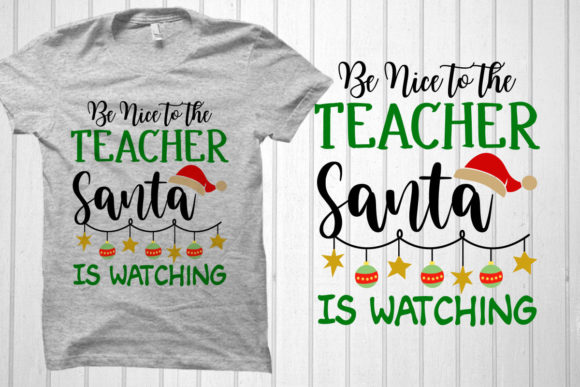
Be Nice to the Teacher Santa Is Watching
The phrase "Be Nice to the Teacher, Santa is Watching" arrives every December like clockwork. It appears on classroom posters, in holiday newsletters, and across social media feeds. While it sounds like a simple rhyme, it carries significant weight for anyone navigating the high-energy holiday season. For educators, it is a classroom management shortcut. For parents, it is a bridge between school and home. For creators and entrepreneurs, it is a seasonal product opportunity. Understanding what this phrase truly offers—and its limitations—helps different audiences use it effectively without relying on outdated guilt tactics.
More Than a Rhyme: Why This Message Works
At its core, the phrase connects two powerful cultural figures: the teacher and Santa Claus. It uses the existing trust children have in Santa's generosity and links it to the daily authority of the teacher. This creates a behavioral anchor. Children are reminded that the expectations at school are just as important as the ones Santa monitors.
For a new teacher or a parent of a young child, this provides an easy script. It requires no explanation and fits naturally into holiday conversations. For experienced educators, it can feel like a fallback strategy during the most chaotic weeks of the year. Marketers and content creators recognize that this theme drives engagement because it taps into shared nostalgia and the universal struggle of managing excited children. The appeal is broad, but the application varies widely depending on who is using it.
Practical Application in a Modern Classroom
Teachers face a unique challenge in December. Schedules shift, excitement peaks, and focus wanes. Using the phrase "Be Nice to the Teacher, Santa is Watching" can be a quick, low-effort way to reset behavior expectations. It works well during morning meetings or before transitions, especially in kindergarten through third grade.
- Ease of Use: It requires zero prep. You can say it in two seconds while lining students up for recess.
- Speed: It works immediately for many students, buying time for deeper conversations about respect.
- Limitations: It loses effectiveness with older students who no longer believe. It also cannot replace authentic relationship-building.
Navigating Inclusivity Carefully
One major consideration for educators is the diverse backgrounds of their students. Not every family celebrates Christmas or participates in Santa traditions. Using this phrase universally can alienate students. A more inclusive approach is to reframe the message around holiday kindness or generosity. Instead of "Santa is watching," try "Our community is built on helping each other, and we all see the good choices you make." This preserves the behavioral goal without assuming a shared belief system.
For the professional educator, high-quality implementation means adapting the message. The reliability of the phrase depends entirely on your classroom culture. If you have built a respectful environment, a lighthearted reminder about Santa amplifies that. If the environment is based on compliance alone, this phrase can feel like surveillance rather than encouragement.
Extending the School-Home Alliance
Parents often feel disconnected from what happens in the classroom, especially during the holidays. Using the same language as the teacher creates consistency. When you tell your child, "Remember, be nice to your teacher—Santa is watching," you reinforce that school rules and home rules are aligned. This is less about policing and more about teamwork.
Practical examples for parents include:
- Using the phrase before drop-off to set a positive intention for the day.
- Discussing it at dinner: "Santa wants to hear about how you helped your teacher today."
- Creating a simple chart at home that tracks acts of kindness toward the teacher, tying it to holiday spirit rather than gift-getting.
This approach teaches children that respect for authority figures is not conditional. The long-term usefulness here is in building empathy. When a parent says, "Your teacher works hard, and Santa loves kids who make her job easier," the child learns to consider another person's experience. That is a valuable life lesson that extends far beyond December.
For families who do not celebrate Santa, the same concept works by substituting "family" or "our community." The core message—support your teacher—remains intact.
Turning a Classic Phrase into a Resource
The commercial potential of "Be Nice to the Teacher, Santa is Watching" is substantial for a short seasonal window. Creators on platforms like Etsy and Teachers Pay Teachers sell thousands of posters, coloring pages, and digital downloads based on this theme. The key to success lies in quality and presentation.
- Creativity: Move beyond basic text posters. Design behavior trackers, classroom countdown calendars, or thank-you note templates that incorporate the phrase in a positive way.
- Quality: High-resolution graphics, clear fonts, and printable PDFs with multiple size options sell better. Teachers are willing to pay for resources that save them time and look professional.
- Inclusivity: Products that include non-religious imagery (snowflakes, stars, winter animals) alongside or instead of Santa appeal to a broader audience and avoid exclusion.
SEO and Content Strategy for Bloggers
If you are a blogger or content creator, this phrase is a powerful pillar for seasonal content. Write a comprehensive guide titled "December Classroom Management Without the Stress" and use this concept as a starting point. Target long-tail keywords like "holiday behavior strategies for teachers" or "Santa themed classroom printables."
For entrepreneurs, the commercial value is high but time-sensitive. Focus on creating evergreen resources that can be updated yearly with new dates or designs. Reliability matters: ensure your files are tested and customer support is responsive during the peak Thanksgiving-to-Christmas rush. Speed of delivery is also crucial—teachers often plan last minute, so instant download features perform best.
Matching the Tool to Your Philosophy
Not every educator, parent, or creator will find this phrase useful. It is important to evaluate whether it aligns with your personal style and goals.
For the beginner (new teacher or first-time parent of a school-age child), this phrase offers a concrete, easy-to-remember script. It reduces anxiety about managing holiday behavior because it relies on an external motivator (Santa) rather than requiring complex reasoning from the child.
For the experienced professional, this phrase might feel too simplistic or even counterproductive. If your approach emphasizes intrinsic motivation and student agency, you may prefer to focus on the internal reward of being a helpful community member. In this case, you can reframe the phrase: "Santa is celebrated because he gives. What can you give to your teacher today?" This preserves the seasonal theme while encouraging genuine kindness.
For the entrepreneur, the question is whether your target audience values tradition or innovation. Products that lean heavily on Santa imagery will appeal to a traditional market, while resources that focus on "holiday kindness" without a specific religious or cultural anchor may have broader appeal. Know your audience and test your product descriptions accordingly.
For the hobbyist (crafters, scrapbookers, or volunteer classroom helpers), this theme is a delightful way to create personalized gifts. A handmade poster or a set of thank-you cards using this phrase can be a cherished item for a teacher. The focus here is on the personal touch and the joy of creating something meaningful.
Practical Takeaways for Every Reader
Regardless of your role, using "Be Nice to the Teacher, Santa is Watching" effectively comes down to intentionality. Here are a few universal guidelines:
- Keep it positive. Frame the message around what the child can gain (pride, community, generosity) rather than what they might lose.
- Know your audience. Be sensitive to cultural and religious diversity. Adapt the language if needed.
- Use it sparingly. Overusing any external motivator diminishes its effectiveness. Pair it with conversations about why respect matters.
- Lead with gratitude. Encourage children to express thanks to their teacher directly, rather than only behaving well out of observation.
This phrase is not a magic solution, but it is a versatile tool. When used thoughtfully, it supports the essential work of educators, strengthens the partnership between parents and schools, and provides a creative foundation for content that genuinely helps people. The ultimate goal is not for Santa to catch bad behavior, but to celebrate the goodness that already exists in every classroom.