Strong Women SVG Design, I Run on Coffee – Practical Workflows for Creators and Entrepreneurs
The combination of strong women imagery and the "I Run on Coffee" motto has become a staple in the SVG design world. It speaks directly to busy adults—professionals, creators, and entrepreneurs—who juggle demanding roles while relying on caffeine to keep momentum. This design isn’t just a cute graphic; it’s a versatile asset that can be woven into real workflows: product creation, branding, digital content, and even personal motivation. Understanding how to integrate this SVG into your process—from planning to production—can save time, reduce friction, and open up consistent revenue streams.
Where "Strong Women SVG Design, I Run on Coffee" Fits in a Broader Process
Before you open any design software, take a step back. This SVG is a composite of two resonant themes: empowerment and a relatable daily habit. That dual appeal makes it a high-demand candidate for merchandise, digital downloads, and social graphics. In a typical workflow, this design acts as a core motif that can be adapted for multiple formats. It belongs before a product launch as a pillar of your collection, during production as a repeatable element, and after delivery as a repeating brand signature.
For example, a small business owner selling coffee mugs might use this SVG as the primary graphic. But the same file can also appear on stickers, tote bags, laptop sleeves, and even as a watermark on social media images. Recognizing this cascade effect early helps you plan color variations, sizing constraints, and file types from the start.
Using the Design Before a Project: Preparation and Planning
The strongest implementation of "Strong Women SVG Design, I Run on Coffee" begins long before you cut, print, or upload. In the planning phase, focus on compatibility and scalability. Ask yourself:
- Which cutting machine or printer will you use? (Cricut, Silhouette, sublimation printer, etc.)
- What material are you applying it to? (cotton, ceramic, vinyl, paper)
- What are the exact dimensions needed for each product?
SVG format shines here because it’s resolution-independent. You can rescale the strong women silhouette and the coffee phrase without pixelation. But that’s only true if the file is cleanly constructed. Inspect the vector paths: are there unnecessary nodes? Are letters properly merged? If you’re creating your own version, use tools like Adobe Illustrator or Inkscape to craft a layered, editable file. Alternatively, if you’ve purchased a pre-made SVG, verify that it includes separate layers for the text and the main graphic—this makes color swapping and resizing much easier.
Another planning step is market research. Look at top sellers on Etsy or Creative Market for similar strong women coffee designs. Note phrases, font styles, and color palettes that convert well. The "I Run on Coffee" script is a known winner, but you might test variations like "Strong Women Run on Coffee" or "She Runs on Coffee and Determination." Placing these in a mood board alongside your SVG helps align your final product with audience expectations.
During the Creative Process: Integration and Implementation
Once your plan is solid, move into execution. This is where the SVG interacts with other tools, materials, and decisions. For physical products, the workflow typically looks like this:
- Open the SVG in your design software (Cricut Design Space, Silhouette Studio, or a full vector editor). Check that the design fits within the material boundaries.
- Adjust layers – maybe you want the coffee phrase to be cut in a contrasting vinyl color from the silhouette. Ungroup, separate, and assign different cut lines.
- Test alignment and sizing – use a test cut on inexpensive paper to confirm dimensions before committing to expensive heat transfer vinyl or sublimation paper.
- Optimize for production speed – if you’re making dozens of items, consider the order of cuts. Nesting multiple copies of the SVG on one mat can reduce waste and time.
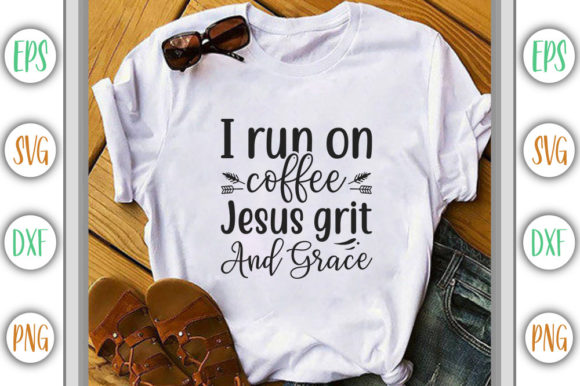
For digital products—like SVG bundles sold on Etsy—the process is different. Here you need to ensure the file downloads cleanly. Convert to SVG, DXF, and PNG (with transparent background) to cover the most common user needs. Add a preview image that shows the design on a mockup. The "Strong Women SVG Design, I Run on Coffee" theme works beautifully on a coffee cup or a tote bag mockup; those visual previews increase conversion rates.
During this phase, quality control is crucial. Check the SVG for any stray points or hollow areas. Use a validator to ensure it’s a valid SVG file. Test it on a few different devices and browsers to confirm rendering consistency. If your design includes thin lines or tiny text, those might disappear when scaled down—adjust stroke weights or consider converting text to outlines for production stability.
After the Project: Marketing, Packaging, and Long-Term Use
The work doesn’t end when the item is cut or the digital file is listed. After production, the same SVG can be repurposed for marketing and brand consistency. Use it as a featured image on social media posts, or print it on thank-you cards or tissue paper for product packaging. This reinforces your brand identity and makes the "I Run on Coffee" slogan a memorable tagline tied to your shop.
For long-term use, consider building a collection around this design. A "Strong Women" series can include multiple coffee-related sayings, other beverage motifs, or alternative silhouettes. Save the original SVG as a template: keep the text layer editable so you can swap "Coffee" for "Tea" or "Motivation" without redrawing the whole graphic. This modular approach saves hours when you want to expand your product line.
Another after-project strategy is bundling. Combine the "Strong Women SVG Design, I Run on Coffee" with complementary elements like coffee bean icons, floral wreaths, or geometric backgrounds. Sell these as a set on platforms like Etsy or Design Bundles. Bundles often have higher perceived value and less price sensitivity, especially when the theme clearly serves a target audience (women entrepreneurs, busy moms, remote workers).
Case 1: The Small-Business Mug Maker
You create custom mugs using a heat press and sublimation. The SVG is your main graphic. Before starting, you batch-prepare several color variants (rose gold, black, teal). You import the SVG into your sublimation design software, scale it to exactly 8x8 inches, and mirror it. During production, you also cut a few small stick-on versions for packaging. Afterward, you use the same design to create a Facebook ad image. The process is seamless because the SVG works across both physical and digital outputs without redrawing.
Case 2: The Digital Product Creator
You run an Etsy shop selling commercial-use SVG bundles. You source "Strong Women SVG Design, I Run on Coffee" and then edit the text to create five variations ("Runs on Coffee," "Runs on Caffeine," etc.). You export each as SVG, DXF, and PNG. You also create a preview graphic using a coffee shop mockup. The listing goes live and attracts buyers who search for strong women and coffee designs. Because the SVG is well-organized (with clear layers and standard file structure), you avoid support inquiries about file compatibility.
Case 3: The Blogger or Social Media Creator
You run a lifestyle blog for professional women. You use the SVG to create a custom header image for a series of posts about productivity. The vector format lets you resize it for Instagram Stories, Pinterest pins, and a website banner. You also print a few stickers to send to newsletter subscribers. The repeated visual theme builds recognition, and the "I Run on Coffee" phrase becomes a signature line in your emails.
Practical Implementation Tips for Long-Term Efficiency
To integrate "Strong Women SVG Design, I Run on Coffee" smoothly into your routine, keep these factors in mind:
- File Organization: Store all variants in a single folder with clear naming conventions like "StrongWomen_Coffee_Pink.svg" or "StrongWomen_Coffee_Outline.svg." This makes retrieval instant during busy production days.
- Usability Testing: Run the SVG through different applications (Cricut, Silhouette, Illustrator) before finalizing. Not all programs handle complex SVGs identically. Simplify paths if necessary.
- Color Strategy: Design the SVG in grayscale or with a limited palette to begin. Then use color overlays in your cutting software. This avoids needing separate color-specific files for every product.
- Consistency Across Products: If you sell mugs, stickers, and shirts, ensure the SVG scales proportionally. Text should remain legible at 2 inches high just as at 12 inches. Use a single SVG source and create size-specific exports only when fine-tuning is needed.
- Licensing and Attribution: If you use purchased SVG files, note the license terms. Many commercial-use SVGs allow unlimited products but restrict resale of the digital file itself. Keep a record of your licenses to avoid legal issues later.
Another overlooked aspect is preparation for batch processing. If you plan to produce a hundred items with the same design, use the SVG to create a master template that includes registration marks and alignment guides. That small upfront investment in setup cuts production time by half and reduces material waste.
Observations on Workflow Integration and Quality
Throughout all these examples, the "Strong Women SVG Design, I Run on Coffee" is not a one-off graphic but a strategic asset. Its value increases when you treat it as a modular component. For instance, by keeping the strong women silhouette separable from the coffee phrase, you can swap the text later for other sayings without redesigning the figure. This interoperability with other elements—fonts, borders, backgrounds—is what makes SVG format superior for long-term use.
Quality also depends on how well you prepare the SVG for its final environment. A design meant for laser engraving may require hairline strokes; one for screen printing might need solid fills. Always test on the exact medium before full production. If the "I Run on Coffee" text is too thin, it may disappear on dark-colored mugs. Adjust by adding an outline or switching to a bolder font variant within the SVG.
Finally, consider the human workflow. If you’re a solo entrepreneur, time spent on SVG optimization is time away from marketing or customer service. Strike a balance: use pre-made, tested SVGs for high-volume items, and invest custom time only on flagship products. Many creators find that purchasing a high-quality "Strong Women SVG Design, I Run on Coffee" from a trusted designer saves them hours of troubleshooting while still allowing customization within their cutting software.
Integrating this design smoothly into your work routine means respecting its dual role: as a product itself and as a building block for a larger brand. When you plan before, execute efficiently during, and repurpose after, the "I Run on Coffee" phrase becomes more than a slogan—it becomes a thread that ties together your business workflow, your creative output, and your connection with a community of strong, coffee-driven women.