Christian SVG Design and Fishing Is Fun: A Practical Guide for Creators and Small Business Owners
Christian SVG design has carved out a meaningful niche for creators who want to combine faith-based messaging with practical, everyday crafting. When you add a theme like fishing into the mix, you get a unique intersection of spiritual symbolism and outdoor recreation that resonates with a wide audience. Whether you are a hobbyist working from a home studio or a small business owner building a product line, understanding how to integrate Christian SVG design—especially a motif like Fishing is Fun—into your workflow can save you time, improve consistency, and open up new creative possibilities.
This article walks through what Christian SVG design for fishing-themed projects actually looks like in practice, where it fits into a broader creative or business process, and how you can use it effectively from planning through long-term use.
What Christian SVG Design and the Fishing Theme Bring to Your Projects
At its core, Christian SVG design refers to vector-based graphics that incorporate Christian symbols, scripture references, or faith-based imagery. When you focus on a sub-theme like fishing, you are tapping into a rich vein of biblical metaphor—from the disciples as fishers of men to the many references to fish and water in the Gospels. A design like Fishing is Fun can be used literally (for someone who enjoys the hobby of fishing) or metaphorically (as a lighthearted take on faith-based outreach).
For creators, the value lies in the versatility of the SVG format. These files can be scaled without losing resolution, edited in vector software, and used across a range of physical and digital products. Whether you are designing a t-shirt for a church retreat, a decal for a fishing boat, or a digital card for a friend who loves the outdoors, the same SVG file can serve multiple purposes with minimal rework.
Where Christian SVG Design Fits in Your Creative Workflow
The real power of a well-designed Christian SVG set is that it can be used at multiple points in a project lifecycle. Understanding where it fits helps you plan more efficiently.
Before a Project: Planning and Asset Preparation
When you start a new project—for example, a line of faith-themed apparel or a set of custom gifts for a church fishing event—the first step is asset selection. Having a curated library of Christian SVG designs like Fishing is Fun means you can browse, preview, and choose the right visual before you even open your design software. This upfront preparation saves you from scrambling for graphics mid-project.
- Create a folder system organized by theme, such as “fishing,” “scripture,” “crosses,” and “outdoors.”
- Preview SVG files in a browser or file manager to quickly assess style compatibility.
- Check file licenses early if you plan to sell physical products—many Christian SVG designers offer commercial use options.
During a Project: Editing, Resizing, and Combining Elements
Once you are in the execution phase, SVG files shine because they are fully editable. With software like Adobe Illustrator, Inkscape, or Affinity Designer, you can adjust colors, resize elements without pixelation, and combine multiple SVGs into a single composition.
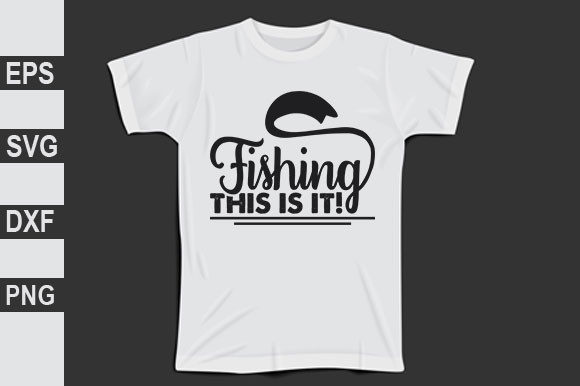
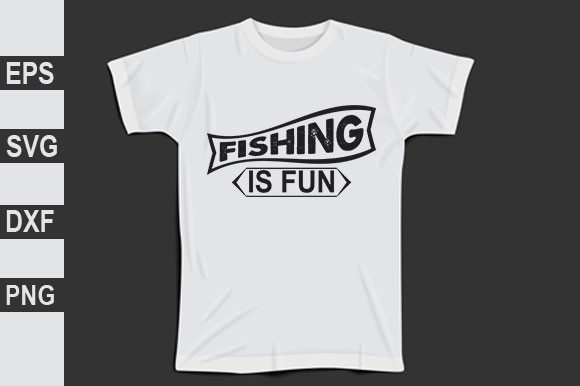
For instance, if you are designing a hoodie for a men’s ministry fishing trip, you might take the Fishing is Fun design, resize it to fit the chest area, change the color to match the event palette, and layer it alongside a custom verse. Because the file is vector-based, you can output it at the exact size your screen printer or heat press requires without worrying about resolution.
Practical tips for this stage:
- Ungroup layers in your vector software to separate elements for independent editing.
- Save a working file (AI, EPS, or SVG) alongside your final export for easy revisions.
- Test the design on a mockup before cutting or printing to confirm proportions.
After a Project: Archiving and Repurposing
One of the most overlooked workflow steps is post-project organization. After you finish a run of decals or a batch of shirts, archive your final SVG files along with project notes. This makes it easy to revisit the design later for reorders or to adapt it for a new product.
If you used Fishing is Fun for a particular event, you can repurpose the same file for a blog post graphic, a social media image, or even a digital sticker. Having your SVG assets organized by theme and date allows you to build a reusable library over time.
Practical Implementation and Workflow Integration
Integrating Christian SVG design into your routine depends on the tools you use. Here is how the process typically works across common platforms and methods.
Using SVG Files with Cutting Machines
If you own a Cricut, Silhouette, or similar cutting machine, Christian SVG designs are straightforward to use. After downloading the file, you upload it to your design space software, adjust the size, and proceed to cut. For a fishing-themed decal, you might use adhesive vinyl for a tumbler or heat transfer vinyl for a t-shirt.
Key considerations:
- Check that the SVG is well-structured with clean paths to avoid cutting issues.
- Test cut a small version first to confirm blade settings and material compatibility.
- Use a weeding box or layer each color separately if the design has multiple colors.
Print-on-Demand and Digital Products
For entrepreneurs using print-on-demand services like Printful or Redbubble, SVG files are ideal because they can be uploaded in multiple sizes without quality loss. A design like Fishing is Fun can be offered on everything from mugs to phone cases. The same file works for different products as long as you adjust the canvas size to match the product template.
When selling digital downloads, consider bundling the SVG with complementary formats like PNG, DXF, and EPS. This broadens your customer base and makes the product more valuable.
Integration with Design Software and Templates
If you use design platforms like Canva or Photoshop, you can import SVG files and treat them as scalable graphics. For Canva users, drag the SVG directly onto your canvas and resize as needed. For Photoshop, convert the SVG to a smart object for non-destructive editing. Having a core set of Christian SVG designs allows you to quickly populate templates for social media posts, flyers, or event materials.
Organizing Your Christian SVG Library for Efficiency
As you accumulate SVG files, organization becomes critical. A disorganized library wastes time and leads to duplicate purchases or downloads. Here is a system that works well for creators and small business owners.
- Use a consistent naming convention. For example: “fishing-is-fun-christian-svg” followed by a version number or date.
- Tag files with keywords in your operating system or a digital asset manager. Tags like “fishing,” “faith,” “outdoor,” and “scripture” make searching faster.
- Keep separate folders for commercial use and personal use to avoid licensing confusion later.
- Back up your library to a cloud service and an external drive. SVG files are small, so you can build a sizable collection without worrying about storage limits.
Quality Control and Consistency in Christian SVG Design
Not all SVG files are created equal. When you download a Christian SVG design like Fishing is Fun, take a moment to inspect the file before using it in production.
Open the SVG in a code editor or vector software and check for:
- Properly closed paths that will cut cleanly.
- Reasonable file size—very large files may have unnecessary detail that slows down your software.
- Logical layer names, especially if you plan to edit the file later.
- No embedded raster images, which defeat the purpose of a vector format.
Consistency also matters when you are building a product line. If you create multiple designs using the same fishing theme, use a similar stroke weight, color palette, and overall style so the collection feels cohesive. Customers appreciate a recognizable aesthetic, and it makes your work easier to market.
Long-Term Use and Scaling Your Efforts
One of the strongest arguments for investing in high-quality Christian SVG designs is their longevity. Unlike trends that fade, themes like faith and fishing have enduring appeal. A design you purchase or create today can still be relevant years later.
To scale your use of Christian SVG design over time:
- Build a recurring content calendar around seasonal events: fishing season, Father’s Day, church retreats, vacation Bible school, and holiday gift markets.
- Create product variations using the same core SVG: one design can become a decal, a shirt, a tote bag, a coaster set, and a digital greeting card.
- License your work if you create original SVG files. Small businesses and other creators often look for Christian-themed graphics with commercial rights, and fishing-themed designs are particularly popular in certain regions.
- Collaborate with other creators who specialize in complementary niches. A calligrapher might pair a scripture verse with your fishing SVG, creating a combined product that appeals to both audiences.
Practical Tips for Getting Started with Fishing-Themed Christian SVGs
If you are new to working with SVG files or new to the Christian design niche, here are a few actionable steps to start smoothly.
- Begin with a single, well-rated SVG set that includes Fishing is Fun or a similar theme. Use it for a small project first to learn the ins and outs of your software and cutting machine.
- Join online communities where creators share workflow tips for SVG design. Facebook groups, Reddit communities, and design-specific forums often have threads on file preparation and machine settings.
- Test your design on different materials. What works on vinyl may not transfer well to fabric or paper. Adjust your SVG’s complexity accordingly.
- Keep a project log. Note which designs sold well, which settings worked best, and how long each project took. Over time, this log becomes a valuable reference for pricing and planning.
Final Observations on Process and Integration
Christian SVG design, especially with a relatable theme like Fishing is Fun, is not just about having a pretty graphic. It is about building a reproducible process that saves time, reduces errors, and allows you to focus on the creative and business decisions that matter most. Whether you are a hobbyist making gifts for friends or an entrepreneur building a product line, the same principles apply: organize your assets, test your files, plan for reuse, and keep the end user in mind.
By treating your SVG library as a strategic resource rather than a random collection of downloads, you gain efficiency and consistency. And when you combine that with a theme that resonates emotionally and spiritually, you create work that connects with people on a deeper level. That is the real point of any creative process—not just making something, but making something that matters.