Integrating the Bunnies Love Jesus Too SVG Into Your Creative Workflow
For anyone who works with digital design files, the question is rarely whether a particular SVG is visually appealing. It is almost always about how that file fits into a broader process. The Bunnies Love Jesus Too SVG represents a specific intersection of seasonal imagery and faith-based messaging, and understanding where it belongs in your workflow can mean the difference between a design that sits unused in a folder and one that becomes a reliable, repeatable asset for your projects.
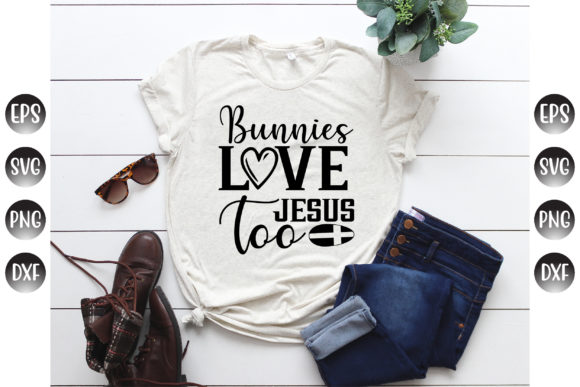
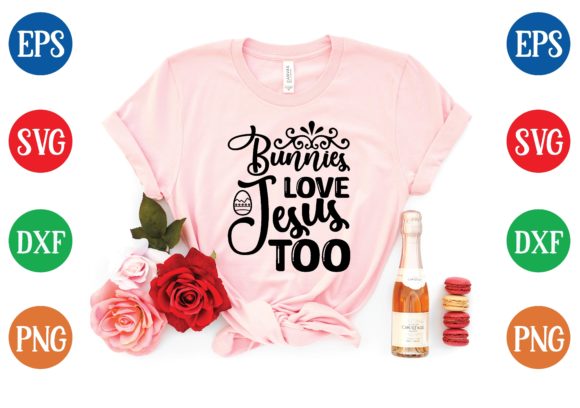
At its core, this SVG combines two recognizable visual and conceptual elements. The bunny evokes spring, Easter gatherings, and a gentleness that resonates across age groups. The Jesus reference grounds the design in Christian faith, making it suitable for church events, faith-based businesses, holiday preparations, or personal devotional projects. When you treat this file as a component within a larger system of production, rather than as a one-off graphic, its practical value increases significantly.
Understanding the Bunnies Love Jesus Too SVG as a Production Asset
Before you use any SVG file effectively, you need to know what you are working with. The Bunnies Love Jesus Too SVG is a vector graphic, which means it can scale to any size without losing resolution. That characteristic alone makes it useful across multiple formats and materials. Whether you intend to cut it from adhesive vinyl, transfer it onto fabric, or embed it into a digital publication, the file remains crisp and sharp.
From a workflow perspective, this SVG is a pre-made asset. That means the design phase is already complete. Your job is to adapt, prepare, and deploy it. For creators who spend most of their time on planning and execution, this saves a substantial amount of labor. You do not need to sketch, digitize, or test multiple iterations. The asset arrives ready for the next stage of your process.
The key is to recognize that an SVG like this is not just a decorative element. It is a modular piece that can be combined with other files, resized for different substrates, and reused across seasons, events, or product lines. Treating it as a versatile tool rather than a static image will help you get more value from the file over time.
Where the File Fits in a Typical Creative Workflow
Workflows differ depending on whether you are a hobbyist working on a single project or a small business owner managing multiple product lines. Regardless of scale, the Bunnies Love Jesus Too SVG fits into three distinct phases: preparation, production, and follow-through.
Preparation and Planning
During the preparation phase, you assess the project scope, choose materials, and organize your digital assets. This is where you decide what the final product should look like and how the SVG will contribute. For example, if you are planning a batch of Easter-themed shirts for a church youth group, you would consider color schemes, shirt sizes, and placement. The SVG becomes the central design element around which all other decisions revolve.
Practical steps during preparation include opening the file in your design software to check layer structure. Some SVG files contain multiple grouped elements, while others are flattened. If the Bunnies Love Jesus Too SVG includes separate layers for the bunny and the text, you can edit colors independently or rearrange components. Checking this early prevents surprises when you go to cut or print.
You should also decide whether the design will stand alone or be combined with other graphics. If you are creating a larger composition, such as a poster or a multi-element wall decal, this SVG might serve as the focal point with secondary designs placed around it. Planning the layout before you begin production saves material and time.
Production and Execution
In the production phase, you move from planning to making. The SVG is imported into your cutting machine software, printing platform, or design tool. This is where the technical characteristics of the vector file become critical.
For cutting machines such as Cricut or Silhouette, you typically import the SVG, resize it to match your project dimensions, and assign cut or draw actions to each layer. Because the Bunnies Love Jesus Too SVG contains both imagery and text, you might want to cut the bunny from one color of vinyl and the text from another. Checking layer assignments at this stage ensures that each element is cut correctly and that registration marks align if you are using a multi-layer application.
For print applications, such as sublimation or direct-to-garment printing, the SVG imports into a design layout where you can adjust colors, add backgrounds, or combine it with other elements. The resolution independence of the SVG means you can scale it up for a large tote bag or down for a small ornament without quality loss. This flexibility is especially valuable when you are producing multiple product variations from a single design file.
Quality control during production involves verifying that the file previews correctly in your software, checking that no stray nodes or open paths will cause cutting errors, and confirming that the design fits within the material boundaries. A quick test cut on scrap material can save you from wasting expensive vinyl or fabric.
Follow-Through and Post-Production
After the physical product is made, the SVG file still has value. Organizing your digital assets for reuse is part of a long-term workflow. When you store the Bunnies Love Jesus Too SVG in a well-named folder with other faith-based designs, you create a library that you can browse quickly for future projects. Adding tags or categories, such as Easter, faith, bunny, or spring, makes retrieval faster when you are working under a deadline.
Post-production also includes evaluating how the design performed. If you used the SVG for a product that sold well or a project that received positive feedback, note that for future reference. If you encountered issues, such as the text being too small to cut cleanly, adjust your process the next time you use the file. This kind of iterative refinement turns a single SVG into a long-term tool that improves with use.
Integrating the SVG With Other Tools and Methods
No SVG exists in isolation. The Bunnies Love Jesus Too SVG interacts with your software, hardware, materials, and even your business or personal goals. Understanding these interactions helps you integrate the file smoothly into your routine.
Software compatibility is the first consideration. Most modern SVG files work across Adobe Illustrator, Inkscape, Affinity Designer, Cricut Design Space, Silhouette Studio, and Canva. If you use a less common platform, test the import early. Some programs handle SVG layers differently, so you might need to ungroup or reorder elements after import.
Material selection is another layer of integration. If you are cutting heat transfer vinyl, the SVG must be mirrored before cutting. If you are using permanent vinyl for outdoor signage, you need to ensure the design is weeded correctly, especially the text portions. The bunny shape may have small details, such as ears or whiskers, that require careful weeding. Having the right tools, like a weeding hook and good lighting, makes this step easier.
Combining with other assets can expand the utility of this SVG. Pairing it with background shapes, borders, or complementary scripture verses creates a more complex design. If you have other SVGs in a similar style, you can build a cohesive product line around the same visual language. For example, a set of matching designs for Advent, Christmas, and Easter can become a recurring product line for a shop or a themed collection for a church ministry.
Practical Implementation Tips for Different Workflows
How you implement the Bunnies Love Jesus Too SVG depends on your specific context. Here are workflow examples for three common scenarios.
For the small business owner who sells faith-themed merchandise: Use this SVG as a base design for multiple products. Create a t-shirt version, a mug version, and a framed print version by adjusting dimensions and material settings. Batch produce all three on the same day to streamline setup and cleanup. Keep a note in your production log about which settings worked best for each substrate.
For the church or ministry volunteer who needs to create decorations or giveaway items: Start by gathering your team and discussing the event theme. Let the SVG guide your color palette. If the design uses classic Easter colors, choose materials that match. Print or cut enough copies for all attendees, and prepare a simple assembly line for applying the design to bags, bookmarks, or cards. Document the process so next year can be faster.
For the hobbyist crafter working on a personal project: Use the SVG to create a custom gift for a friend or family member. Experiment with different materials, such as glitter vinyl on a wooden sign or heat transfer on a canvas tote. Because the file is reusable, you can make multiple versions and compare results. This kind of hands-on learning builds your skills for future projects.
Factors That Affect Long-Term Use and Consistency
Getting consistent results from any SVG requires attention to a few key factors. Organization matters because a disorganized file library slows you down. Store the Bunnies Love Jesus Too SVG in a dedicated folder with a consistent naming convention that includes the theme, the date added, and any relevant tags.
File versioning is useful if you modify the SVG for different projects. If you change the colors or rearrange elements, save the modified version with a new filename. This way, you retain the original for future use while keeping your project-specific versions separate.
Quality control checkpoints should be built into your process. Before cutting or printing, zoom in on the SVG to check for overlapping lines, unclosed paths, or extraneous nodes. Most design software has a preview mode that shows cut lines or print areas. Reviewing this preview catches errors early.
Compatibility with future software updates is worth considering. SVG is an open standard, which means it generally remains usable across software versions. However, always keep a backup of the original file in an uncompressed format. If you ever switch design platforms, you will be able to import the SVG without issues.
Making the SVG Part of a Recurring Process
The real power of an asset like the Bunnies Love Jesus Too SVG is not in a single use. It is in how you fold it into a repeatable workflow. When you build a process around a design file, you reduce decision fatigue, improve consistency, and free up mental energy for other tasks.
Consider creating a simple checklist that you follow every time you use this SVG. The checklist might include: open file, verify layers, scale to target dimensions, assign actions, test on scrap material, and produce final pieces. Over time, this checklist becomes automatic.
If you work with a team, share your process documentation so everyone handles the file the same way. This is especially valuable in a church or small business setting where multiple people might produce items from the same design. Standardizing the workflow reduces errors and ensures that the final product matches expectations every time.
For those who sell digital products, the Bunnies Love Jesus Too SVG could also be the starting point for a digital product line. You could create a bundle that includes the SVG, a print-friendly PDF, and a PNG with a transparent background. Packaging these together gives customers multiple ways to use the design, which increases the perceived value and broadens the potential audience.
Ultimately, the goal is to move from treating each project as a standalone effort to building a system where assets like this SVG are used efficiently and predictably. Once you have a system in place, you can focus more on the creative and strategic aspects of your work, knowing that the execution side is handled.
The Bunnies Love Jesus Too SVG is a small piece in a larger puzzle. But when you understand how to integrate it into your workflow, prepare it correctly, and reuse it over time, it becomes far more than a single design. It becomes part of a dependable process that supports your creative output, whether you are producing for yourself, your community, or your customers.