How Adventure SVG Design and Silly Santa Bring Playful Creativity to Your Holiday Projects
Scalable vector graphics have transformed how creators design for the web, print, and beyond. Among the many directions SVG design can take, the combination of adventure-themed graphics and playful, humorous holiday characters opens up a unique niche. Adventure SVG design focuses on dynamic, narrative-driven visuals—think explorers, landscapes, and exciting scenes. Silly Santa, as a subtheme, injects a lighthearted holiday twist with exaggerated features, comedic poses, and whimsical details. Together, they offer a powerful toolset for anyone looking to add distinct personality to seasonal projects without sacrificing scalability or professional quality.
Understanding the Role of SVG Design in Modern Creative Workflows
Before diving into specific themes, it helps to recognize where SVG design fits in a broader process. Unlike raster images, SVGs remain crisp at any size, work seamlessly with responsive design, and can be edited with code or vector software. This makes them ideal for logos, icons, illustrations, and interactive elements. Adventure SVG design takes advantage of these strengths by incorporating detailed, often multi-layered scenes that tell a story. Silly Santa fits naturally into this format because the humorous details—a tilted hat, oversized belly, or playful expression—benefit from precise vector control.
For many professionals, the planning phase of a project involves deciding on the visual language. Whether you are a marketer preparing a seasonal campaign, a blogger creating custom graphics, or a small business owner designing holiday merchandise, having a library of well-made SVGs can streamline production. Adventure SVG design encourages you to think beyond simple icons and build full compositions. Silly Santa adds a memorable focal point that audiences easily connect with, especially when humor aligns with your brand voice.
Integrating Silly Santa Concepts into Your Design Process
One practical approach is to treat Silly Santa as a character study within your larger adventure SVG repertoire. Start by sketching out scenarios: Santa skiing down a mountain, surfing in holiday chaos, or tangled in lights. These concepts are not only fun but also lend themselves to reusable assets. For example, a base Santa SVG can be modified with different props, backgrounds, or expressions to create an entire series.
From a workflow perspective, begin with rough vector outlines in software like Adobe Illustrator or Inkscape. Focus on clean paths and logical layering. Because SVGs support CSS styling, you can later adjust colors or add animations without redrawing. This is especially useful if you plan to use the same Silly Santa motif across email headers, social media posts, and website banners. The underlying structure remains the same, but the presentation adapts per platform.
Collaboration also benefits from SVG’s text-based nature. Developers and designers can comment on code, tweak layer names, and version-control with git-based tools. If your team includes multiple creators, establishing naming conventions for assets like silly_santa_skiing_v2.svg prevents confusion. Adventure SVG design thrives on iteration, and a well-organized library reduces friction when revisiting past projects.
Practical Workflow Examples for Seasonal Campaigns
Consider a holiday email campaign for a boutique travel agency. You might want to convey adventurous holiday cheer. Using an adventure SVG background—say, a snowy mountain range—you layer a Silly Santa character riding a sled. The SVG ensures the graphic looks sharp on retina displays and loads quickly. The campaign can include variant scenes for different days of the week: Santa hiking, Santa roasting marshmallows, or Santa with a map. Each illustration maintains visual consistency because it is built from the same style guide.
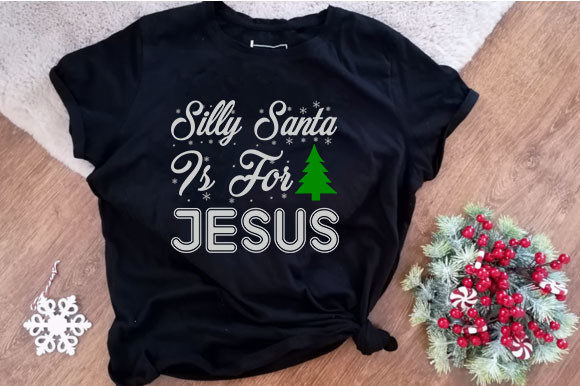
Another example: a small business selling quirky holiday apparel. Turn Silly Santa into a recurring branding element. Use his silhouette on packaging, his full illustration on product patches, and his icon version on size tags. Since SVG is resolution-independent, the same file works for a tiny tag and a large window decal. This reduces the need to recreate artwork for each medium.
For bloggers and educators, Adventure SVG design plus Silly Santa can enhance printable resources. Create coloring pages using simple SVG outlines. The playful nature of Silly Santa makes these activities more engaging for children, while the vector format allows you to scale the design for different page sizes without pixelation. This is a straightforward way to repurpose a single asset across multiple outputs.
Organizing and Managing Your SVG Assets for Long-Term Use
As you build a library of adventure SVGs and Silly Santa variations, organization becomes crucial. Use clear folder structures: themes (Adventure, Holiday, Silly Santa), subcategories (Characters, Backgrounds, Props), and version numbers. Metadata within the SVG file—like title and description tags—helps with searchability. Consider using a digital asset management tool or even a simple spreadsheet to track file locations, intended uses, and last modifications.
Consistency in file setup also matters. Establish a common artboard size, grid alignment, and stroke weight for your Silly Santa line art. This ensures that when you combine different SVGs in a single composition, the visual style matches. Adventure SVG design often involves mixing characters and environments, so uniform parameters reduce unexpected adjustments later.
For long-term use, keep the original editable files (like .ai, .svg, .svgz) separate from optimized web exports. That way, you can always return to a master file to make changes without losing quality. Silly Santa designs might need yearly updates—new props, different catchphrases—and starting from a solid master prevents rebuilds.
Preparing Files for Multiple Platforms and Use Cases
Exporting SVG from your design tool is only the beginning. Optimize the code for web performance by removing unnecessary metadata, grouping similar paths, and using shorthand attributes. Tools like SVGO can automate this. For Silly Santa graphics that include fun details like inlineskate wheels or santa beard fluff, ensure the path data is clean to prevent rendering issues in older browsers or poorly supported apps.
If you plan to use SVGs with CSS animations, structure your layers logically. For instance, animate Santa’s arm waving by giving that group an ID. Adventure-themed backgrounds with parallax effects become easier when each layer is a separate SVG element. Silly Santa may also be combined with other vector assets—like gift boxes, stars, or map elements—so cross-compatibility is key.
Testing is also important. Preview SVGs in various sizes, on different devices, and with dark mode if relevant. Since Adventure SVG design often employs vibrant colors, check contrast and accessibility. Silly Santa’s red and white palette is classic, but ensure it meets readability standards if overlaid with text.
Collaboration and Feedback When Working with Themed SVG Projects
Whether you are a freelancer or part of a team, sharing SVG drafts is straightforward. Use cloud drives, version-controlled repositories, or design collaboration platforms that support vector formats. When soliciting feedback on a Silly Santa iteration, provide context: show the adventure scene it belongs to, and explain how the character fits the narrative. This helps reviewers focus on overall coherence rather than isolated details.
Handling revisions efficiently is part of any professional workflow. Because SVGs are inheritable, you can modify a single character without redoing the entire composition. For example, shifting Silly Santa’s pose from standing to waving only requires editing the arm layer. Keep grouped layers well-named so you can find elements quickly. This is particularly helpful when revisiting a project after a few months.
The Iterative Nature of Creative Design and How to Embrace It
Adventure SVG design is inherently iterative. You test compositions, adjust colors, and refine details as the project evolves. Silly Santa, with his exaggerated features, invites playfulness and experimentation. Do not be afraid to try multiple variations of a single face or pose. The medium supports rapid prototyping. Save each version separately, or use layers to toggle between options. You may discover that a more subtle expression works better for your audience, or that an absurdly long beard makes the perfect mascot for a brand.
This iterative process applies not just to the design itself but to the workflow surrounding it. Over time, you will develop shortcuts, favorite color presets, and reusable components. For instance, you might create an adventure SVG template that includes common background elements like trees, clouds, and snow. Then, slotting in a Silly Santa becomes a quick task. This efficiency allows you to produce more with less effort, freeing time for creative exploration.
Practical Considerations Before You Scale Up
Before committing to a large library of adventure SVGs centered around Silly Santa, evaluate your tools and resources. Vector design software requires a learning curve. If you are new, start with basic shapes and simplify the character. Master the pen tool and layer management before adding complex details. Hardware also matters: while SVGs are not heavy, having a decent computer and a graphics tablet can improve precision and speed.
If you are building a business around seasonal SVG design, consider licensing models. You can sell individual Silly Santa designs, create bundle packs, or offer custom adventure scenes for clients. Each approach has different preparation and support considerations. For example, if you sell commercial-use SVGs, include clear terms about allowed modifications. If you offer custom commissions, establish a briefing process where you capture the desired level of silliness, adventure setting, and color preferences.
Keeping the Joy in Your Creative Process While Maintaining Professional Standards
One of the strengths of combining Adventure SVG Design and Silly Santa is that they remind us to enjoy the work. Humor and adventure are natural motivators. When you stay curious and playful with your designs, the final output feels more genuine. That authenticity resonates with audiences. At the same time, maintaining professional standards—like organized layers, optimized files, and consistent branding—ensures that the fun does not come at the cost of quality.
Incorporate periodic reviews of your SVG library. Remove duplicates, update deprecated styles, and refresh Silly Santa’s look if trends shift. A yearly audit keeps your assets relevant and supports long-term reliability. This practice builds a solid foundation for any creative professional who wants to use vector graphics efficiently.
Ultimately, Adventure SVG design paired with Silly Santa is not just about creating whimsical holiday graphics. It is about adopting a flexible, scalable approach that values both creativity and practicality. Whether you are preparing for next season’s campaign or building a lasting collection of vector assets, this combination offers a direct path to eye-catching, functional design that serves real projects and real audiences.