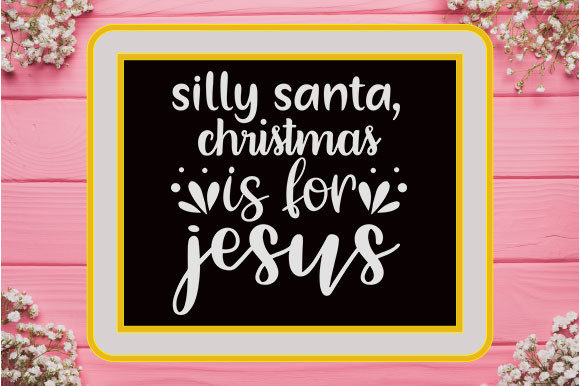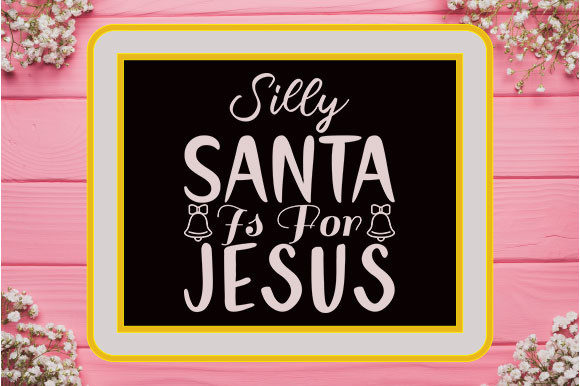
Christmas Design, Silly Santa Is for Adding Playful Holiday Flair to Any Project
Every year, the same polished Santa imagery shows up on greeting cards, social media posts, and product packaging. The kind with perfect posture, a neatly trimmed beard, and a warm but predictable smile. That version works for formal holiday settings, but it does not fit every situation. Sometimes you need something looser, funnier, and more memorable. That is where the concept of Christmas Design, Silly Santa is for comes in. It gives you permission to break away from the serious, picture-perfect holiday aesthetic and lean into the kind of humor that actually gets people to stop scrolling, laugh out loud, or crack a genuine smile.
Silly Santa designs are not about being sloppy or unprofessional. They are about recognizing that the holidays are often chaotic, messy, and full of awkward family moments. A Santa who trips over a gift, makes a goofy face, or wears sunglasses indoors can feel more relatable than the dignified figure we usually see. This design approach is for anyone who wants their holiday content to feel human instead of staged.
Where Silly Santa Designs Fit Naturally
The most effective places for Christmas Design, Silly Santa is for are spaces where the audience already expects a lighter tone. Social media is an obvious one. A silly Santa illustration in an Instagram Story or a Facebook post can break up the stream of polished holiday ads and generic well-wishes. When you run a small business, your followers want to see personality. A Santa with a goofy expression holding a half-eaten cookie feels like someone they know, not a mascot from a department store.
Email marketing also benefits from a playful touch. Subject lines paired with a silly Santa image get opened more often because they signal that the content inside will not be a dry sales pitch. A December newsletter with a headline like Santa forgot his list again and a cartoon Santa looking flustered invites curiosity. Readers click because they want to see what happens next.
Print materials like party invitations, thank-you tags, or event flyers also gain from this style. If you are hosting a casual holiday gathering, a silly Santa design sets the tone before anyone walks through the door. It says the event will not be stuffy or formal. The same applies to work holiday parties. A playful Santa on a digital invite makes it clear that the evening is about fun, not networking in uncomfortable clothes.
For Bloggers and Content Creators
Bloggers who cover lifestyle topics, parenting, or humor need visuals that match their voice. Christmas Design, Silly Santa is for exactly this type of creator. A parenting blog post about surviving holiday travel becomes instantly more engaging when accompanied by a cartoon Santa tangled in Christmas lights. The image supports the content instead of just decorating the page. It reinforces the message that things will go wrong, and that is okay.
Content creators who use platforms like Pinterest also benefit. Search results for holiday ideas are packed with perfectly styled images. A silly Santa pin stands out because it looks different from the competition. It gets saved because people remember how it made them feel, not because it fits a color scheme. When someone is planning a funny gift exchange or a white elephant party, that memorable image is what they come back to.
For Small Business Owners and Marketers
Small businesses often struggle to compete with larger brands during the holiday season. Big companies run polished campaigns with professional photography and expensive ads. A small shop cannot always match that production value, but it can match the emotional connection. Christmas Design, Silly Santa is for small business owners who want to stand out through personality rather than budget.
A local coffee shop could use a silly Santa character on a seasonal menu board or a takeout cup sleeve. Customers snap photos of that kind of detail and share them online. The design becomes free advertising. An online boutique could use a silly Santa in a banner that reads Our shipping elves are working overtime to lighten the stress of last-minute shopping. The humor acknowledges a real pain point and makes the customer smile instead of frustrated.
Marketers planning social media campaigns can use silly Santa themes to encourage user-generated content. A prompt like Show us your silliest Santa hat selfie invites participation because the bar is low and the tone is fun. People are far more likely to tag a brand when the ask feels like play rather than a contest entry.
Why Different Audiences Respond to Silly Santa Designs
The audience for Christmas Design, Silly Santa is for spans a wide range of ages and roles. Adults aged twenty to fifty are at the center of that range, but within that group, the reasons for connecting with it differ.
Freelancers and solopreneurs use silly Santa designs to keep their holiday content feeling authentic without spending hours on production. They can repurpose a single silly Santa illustration across emails, social posts, and a simple website banner. The style saves time because it does not require perfect alignment with a brand guide. It works because it is consistent in its playfulness, not because it matches specific hex codes.
Educators and workshop leaders also find value here. Holiday-themed classroom materials that include a silly Santa can make a lesson more engaging for adult learners. In a team-building workshop, a slide with a goofy Santa might serve as a warm-up activity prompt. The humor disarms participants and sets a collaborative tone before the serious content begins.
Hobbyists who enjoy digital scrapbooking, card making, or DIY projects appreciate silly Santa designs because they add character to handmade items. A Christmas card for a close friend feels more personal when it includes an illustration that makes the recipient laugh. The recipient knows the sender chose that specific design because it reminded them of an inside joke or a shared memory.
Practical Scenarios That Show the Value
Imagine a freelance graphic designer who runs a small online shop selling digital planners and stickers. During November and December, they release a limited holiday collection. In previous years, they used elegant, traditional Santa graphics. Sales were steady but never exciting. This year, they switch to a silly Santa theme. A Santa with mismatched socks, a Santa drinking hot cocoa with whipped cream on his nose, a Santa getting his sleeve caught on a door handle. The response changes. Customers start tagging the shop in their planner spreads. They comment about how the designs made them smile. Sales increase not because the quality is higher, but because the work feels more personal.
Consider a homeschooling parent looking for holiday activity printables. They want worksheets, bingo cards, and coloring pages that their kids will actually enjoy. Standard holiday designs feel too young for older children. Silly Santa designs bridge that gap. The humor appeals to preteens who would otherwise roll their eyes at a Christmas math worksheet. The child laughs at the illustration, then completes the problem without complaint. The parent gets a functional resource that also manages the mood in the room.
Think about a local brewery releasing a holiday beer. They want a label that stands out on the shelf next to dozen other winter ales. A silly Santa in a beach chair holding a cold pint communicates irreverence. It signals that this beer does not take itself too seriously. Customers pick it up because the label makes them curious. They buy it because the design promises a good time, and the beer delivers.
What to Consider Before Committing to a Silly Santa Style
Not every project or audience is the right fit for Christmas Design, Silly Santa is for. Before applying this style, consider the context and the expectations of the people who will see it.
Think about the relationship with your audience first. If your followers or customers associate your brand with a calm, minimal, or luxury aesthetic, a sudden shift to silly Santa imagery could confuse them. The humor needs to feel like a natural extension of your existing voice, not a random departure. If you have never used humor before, introduce it gradually. A silly Santa in a small corner of a newsletter works better than plastering it across your homepage without warning.
Consider the medium. A printed catalog for a high-end gift shop probably needs a different tone than a social media post for a pet supply store. The same silly Santa illustration that works on Instagram might look out of place in a formal proposal or a client presentation. Match the design intensity to the setting. A Santa with a funny expression works fine. A Santa doing a headstand might be too much for certain audiences.
Pay attention to timing. Late November and early December are prime windows for silly Santa content. By Christmas week, people are often tired, stressed, or dealing with family dynamics. Humor can still land, but it needs to be gentler. A chaotic silly Santa scene might feel overwhelming during the final days before the holiday. A simple, warm silly Santa expression can still connect without adding to the noise.
Also consider cultural sensitivity. Not everyone celebrates Christmas, and not everyone who celebrates wants a humorous take on a beloved figure. Know your audience well enough to avoid alienating people. If you operate in a space where faith-based traditions are deeply respected, keep the humor light and focused on universal holiday experiences like bad weather, shopping crowds, or burnt cookies rather than making fun of the figure of Santa himself.
Making the Most of a Silly Santa Design Approach
If you decide that Christmas Design, Silly Santa is for your project, the best results come from using it intentionally rather than randomly. Pair the design with copy that matches its tone. A silly Santa image backed by formal, stiff text creates a mismatch that feels awkward. Let the writing be as playful as the visual. Short sentences, punchy jokes, or lighthearted disclaimers work well.
Use the design in ways that highlight its uniqueness. A single silly Santa in a lineup of traditional holiday images draws attention because it is different. If everything in your campaign is silly, the impact gets diluted. Let the funny Santas appear where they will surprise people. In an email subject line. At the bottom of a checkout confirmation page. On the last slide of a presentation. Placement matters as much as the artwork itself.
Test the response. If you are unsure whether your audience will embrace the style, try it in a low-stakes place first. Post a silly Santa graphic in a social media story and watch the engagement. If people react with laughter, emojis, or shares, that is a sign to use it more broadly. If the response is quiet, you can pull back without having committed to a full campaign.
Christmas Design, Silly Santa is for those moments when you need the holidays to feel less polished and more genuine. It is for the maker who wants their work to spark joy instead of just admiration. It is for the marketer who understands that sometimes a Santa with a crooked hat communicates more warmth than a perfectly styled one. And it is for every adult who still remembers that the best part of Christmas was not the perfection, but the laughter.