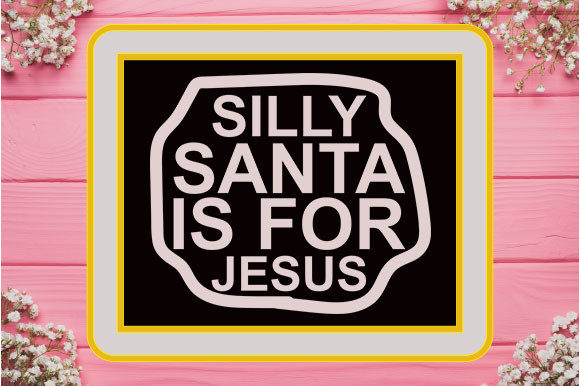
Getting the Most Out of Christmas Design: Why "Silly Santa is for Jes" Deserves a Second Look
Finding a Christmas design that feels fresh, playful, and uniquely yours is harder than it looks. The holiday season is saturated with the same tired clip art, polished stock vectors, and overly sentimental imagery. That is why specialized niche packs like the Christmas Design, Silly Santa is for Jes collection have caught the attention of creators, small business owners, and marketers. It promises something different: personality, humor, and a break from the traditional.
But let’s be honest. Jumping into a specialized design asset without a plan often leads to wasted time, mismatched branding, or disappointing results. Whether you are a hobbyist crafting a family newsletter or a freelancer managing a client’s holiday campaign, using a themed asset like this requires more than just a download button. This article walks through the practical pitfalls people encounter and how to approach the Silly Santa is for Jes design with confidence.
Understanding the Appeal of the "Silly Santa" Aesthetic
The Christmas Design, Silly Santa is for Jes series occupies a specific creative lane. It is not trying to be elegant or timeless. It is unapologetically fun, exaggerated, and character-driven. For educators, daycare centers, casual bloggers, or businesses with a friendly voice, this style can be a goldmine. It humanizes your message and invites a smile.
However, that same strength can become a weakness if applied incorrectly. Before you incorporate it into your workflow, it is worth examining where most people go wrong with niche design assets. Understanding these missteps will save you time, money, and a bit of professional embarrassment.
Common Pitfall One: Forcing a Design into the Wrong Context
The biggest mistake creators make is falling in love with a design and trying to make it fit everywhere. The Silly Santa is for Jes asset has a very specific personality. It is playful, cartoonish, and thrives in informal settings.
Example of the mistake: A financial advisor sends a quarterly newsletter to high-net-worth clients using a "Silly Santa" header image. The tone clash is immediate. Instead of feeling festive, the communication feels unprofessional.
Better approach: Audit your audience and the specific channel before you design. If you are creating a Facebook post for a local bakery or a winter activity sheet for a children’s museum, the silly, expressive Santa fits perfectly. If you are writing a corporate end-of-year report, save this asset for internal team communications and look for something more restrained for external clients. Matching the design’s energy to the recipient’s expectation is the first rule of effective visual communication.
Common Pitfall Two: Overlooking the Technical Details
Digital assets are not all created equal. One of the most frequent frustrations people experience with Christmas design bundles is discovering technical incompatibility late in the process. The Christmas Design, Silly Santa is for Jes pack likely includes multiple file formats. Ignoring the differences between them can derail your project.
What often goes wrong: A user downloads only the preview PNG file for convenience. When they try to scale the image up for a large poster or banner, the edges become blurry and pixelated. The quality of their final product suffers immensely.
What to check before you start:
- File format needs: If you need to scale the design to any size, work with the SVG or EPS vector files. These remain crisp at any dimension.
- Color mode: For professional printing, ensure the asset includes a CMYK version. RGB files designed for screens can look dull or shift color when printed.
- Software compatibility: SVG files require vector editing software like Adobe Illustrator, Inkscape, or Affinity Designer. If you are using Canva or a similar basic editor, confirm that a layered PNG or transparent version is available.
Taking five minutes to review the file specifications before you purchase saves hours of frustration later.
Common Pitfall Three: Ignoring the Customization Potential
The inclusion of "for Jes" within the collection’s title strongly suggests a design built with personalization and adaptability in mind. A major mistake users make is treating these assets as static, finished images. They drop them into a document, add text, and call it done. This is a lost opportunity.
Why this limits your results: Pre-made designs are starting points, not finishing lines. When you use the asset exactly as is, you miss the chance to align it with your brand identity. The colors might not match your palette. The details might not reflect your specific message.
A more effective approach: Open the vector file and treat it as a customizable kit. Change the Santa hat from red to your brand’s primary blue. Adjust the skin tones or background elements. Add an inside joke or a specific call to action that resonates with your audience. The Silly Santa is for Jes design is built for this kind of tinkering. By investing twenty minutes in customization, you transform a generic asset into something that feels intentionally created for your brand.
Common Pitfall Four: Underestimating Print Production Realities
What looks brilliant on your glossy monitor can look entirely different on paper, fabric, or signage. Small business owners and merchandise creators frequently learn this lesson the hard way. The details that read well on screen—fine lines, subtle gradients, tiny text—can disappear or muddy when printed.
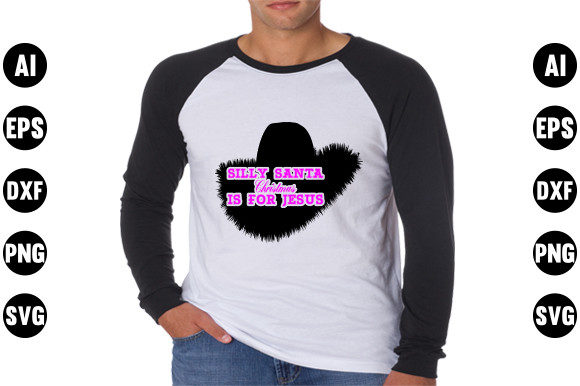
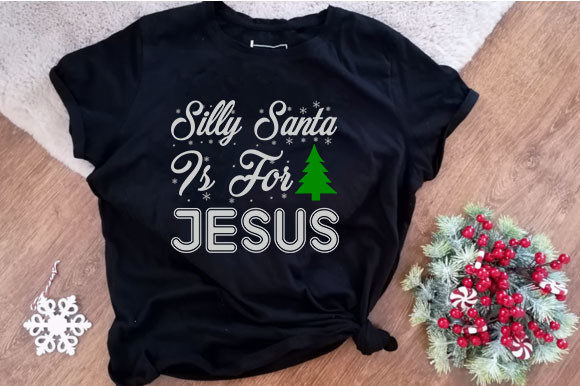
Realistic example: You use the Silly Santa is for Jes design on a t-shirt. The original file has thin stroke lines and small decorative elements. In the final shirt print, those details blur together, making the Santa look messy rather than charming.
How to avoid this:
- Simplify when necessary. For physical merchandise like mugs, stickers, or apparel, consider creating a simplified version of the design with thicker lines and fewer colors.
- Always request a physical proof. Before you run a batch of 200 holiday flyers or a bulk order of custom gifts, print a single test copy. Evaluate the colors, clarity, and overall impact.
- Understand your printer’s limitations. If you are screen printing, limit the color palette to reduce costs and ensure sharpness. Discuss the design specifications with your production partner before finalizing the file.
Common Pitfall Five: Overlooking Licensing and Usage Rights
This is the most overlooked detail for new and experienced creators alike. Licensing terms determine where and how you can legally use a design asset. Many people assume that buying a digital file grants them unlimited rights. That assumption can be costly.
Common misunderstanding: You purchase the Silly Santa is for Jes pack for personal use but decide to use it on a client’s website or on merchandise you sell online. If the license restricts commercial use, you are legally exposed.
What you should check every time:
- Personal vs. Commercial License: Personal licenses cover non-commercial projects (school projects, family cards). Commercial licenses allow you to use the design in work for clients or on products you sell.
- Extended Commercial License: If you plan to use the design in digital templates or on merchandise for sale (like Redbubble, Etsy, or print-on-demand items), you almost always need an extended license.
- Attribution requirements: Some free or low-cost assets require you to credit the designer. Check the terms so you remain compliant.
Knowing the licensing rules protects your business and respects the work of the original creator. It is a small due diligence step that prevents major headaches.
Practical Advice for a Smoother Workflow
Getting the most out of a specialized Christmas design like Christmas Design, Silly Santa is for Jes comes down to preparation and intentionality. Here is a quick checklist to keep you on track:
- Audience first: Does the playful, silly tone match your audience’s expectations for this specific project?
- Format check: Do you have the right file type and color mode for your final output (web, print, or merchandise)?
- Customization plan: Have you made the design your own by adjusting colors, removing unnecessary elements, or adding personal text?
- Test before scale: Have you printed a single sample or tested the asset in your template before full distribution?
- License verified: Do you have the correct license for your intended use case?
By addressing these five questions, you move from a passive consumer of design assets to an intentional creator who uses tools strategically. The Silly Santa is for Jes collection offers a wonderful opportunity to inject warmth and humor into your holiday communications. When you respect the design’s strengths and apply it thoughtfully, it becomes more than a graphic—it becomes a memorable part of your seasonal storytelling.
Make your next holiday project one that people actually enjoy seeing. Start with the right asset, avoid the common traps, and build something that feels both personal and polished.