She Is Clothed in Strength and Dignity: A Blueprint for Purposeful Living
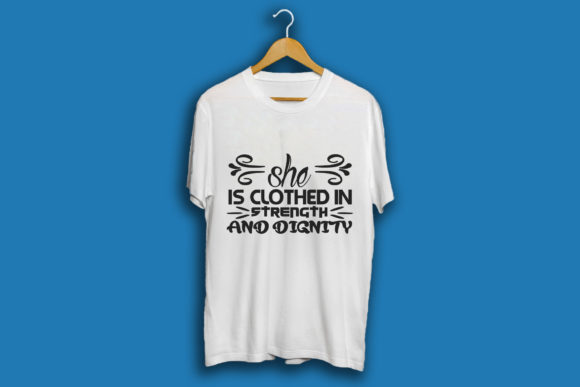
There are phrases that linger long after you hear them, not because they are poetic but because they feel true. She is clothed in strength and dignity is one of those rare combinations of words that resonates across cultures, professions, and life stages. It does not belong to any single tradition or ideology. Instead, it speaks to a universal ideal: the image of a person who carries themselves with quiet power, who makes decisions rooted in integrity, and who faces uncertainty without crumbling. This article explores why this concept matters, how it applies to real life, and what it looks like when you or someone you know embodies it.
Whether you are a business owner navigating a difficult quarter, a creator launching a passion project, a professional seeking deeper fulfillment, or simply someone trying to show up better for the people around you, the idea of being clothed in strength and dignity offers more than inspiration. It offers a practical framework. Let us examine what it means, where it fits, and how it can reshape the way you work, lead, and live.
What Does Being Clothed in Strength and Dignity Really Mean?
At first glance, the phrase paints a picture of outward composure. But the real meaning runs deeper. To be clothed in strength and dignity is to operate from a place of inner stability that does not depend on circumstances. It is not about never failing or never feeling afraid. It is about how you respond when things fall apart.
Strength here does not mean aggression or dominance. It means resilience, patience, and the ability to carry weight without complaint. Dignity, on the other hand, is about honouring your own values and treating others with respect even when no one is watching. Together, they form a kind of armour that protects against cynicism, burnout, and regret.
Key Characteristics of This Mindset
- Self-awareness: Knowing your strengths, limits, and triggers so you can respond rather than react.
- Boundaries: The courage to say no to things that drain you and yes to things that align with your values.
- Grace under pressure: Maintaining composure and clarity when others are panicking or pushing shortcuts.
- Consistency: Showing up the same way whether you are in a boardroom, at home, or alone with your thoughts.
- Humility: Understanding that strength and dignity are not about being perfect but about being genuine.
When someone is truly clothed in strength and dignity, people notice. Not because they are loud or impressive, but because they are steady. They become a person others trust, rely on, and feel safe around.
Where This Concept Fits in Everyday Life and Work
The beauty of she is clothed in strength and dignity is that it is not confined to one arena. It works just as well in parenting as it does in leadership, in creative work as in customer service. Below are some of the most common settings where this approach brings measurable value.
Leadership and Professional Growth
Leaders who embody this principle do not need to micromanage or dominate conversations. They listen more than they speak, and when they do speak, their words carry weight. In performance reviews, team meetings, or difficult negotiations, a leader clothed in strength and dignity commands respect without demanding it. This style reduces turnover, builds loyalty, and creates a culture where people feel safe to innovate and even fail.
Practical example: A department head facing a budget cut does not blame the finance team or make emotional threats. Instead, she gathers her team, lays out the facts transparently, and asks for collaborative solutions. Her calmness reassures everyone that they will get through it together. That is strength and dignity in action.
Entrepreneurship and Business Ownership
Running a business is full of highs and lows. One week you land a major client; the next week a supplier falls through. Entrepreneurs who operate with strength and dignity avoid the trap of taking every setback personally. They adapt without losing sight of their core values. Customers and partners gravitate toward businesses that feel grounded, and nothing signals groundedness like consistent, respectful, and resilient behaviour.
Creative Work and Content Creation
For creators, the pressure to perform, go viral, or constantly prove worth can be exhausting. When you are clothed in strength and dignity, you create from a place of authenticity rather than desperation. You do not chase trends that feel hollow, and you do not let negative comments define your sense of value. This approach leads to deeper connections with your audience and work that stands the test of time.
Personal Relationships and Community
Perhaps the most important application is in how we treat the people closest to us. Being strong and dignified means apologising when you are wrong, listening without interrupting, and showing up consistently even when it is inconvenient. It transforms friendships, marriages, and family dynamics because it replaces drama with dependability.
The Strengths of Living This Way
Adopting the posture of being clothed in strength and dignity is not just philosophically appealing; it has tangible benefits.
- Reduced stress: When you are not constantly reacting to external chaos, your nervous system stays calmer. You sleep better, think clearer, and make better decisions.
- Stronger relationships: People trust those who are consistent and respectful. Trust opens doors that skill alone cannot.
- Greater influence: Influence is not about authority; it is about respect. A person who carries themselves with dignity naturally attracts others who want to learn from them.
- Longer endurance: Burnout often comes from chasing validation or fighting unnecessary battles. Strength and dignity help you conserve energy for what truly matters.
- Clearer decision-making: When your core values are solid, choices become simpler. You stop wasting time on dilemmas that your principles have already resolved.
Considerations and Limitations
No framework is without nuance. Being clothed in strength and dignity does not mean you never get angry, never set firm boundaries, or always turn the other cheek. It also does not mean you must handle everything alone. A common misunderstanding is that strength implies isolation or self-sufficiency. In reality, part of dignity is knowing when to ask for help.
Another limitation is that this approach can be misinterpreted in environments that reward aggression or loud self-promotion. In some workplaces, quiet confidence is mistaken for weakness. If you find yourself in such a setting, you may need to adapt your communication style without abandoning your values. The goal is not to please everyone; it is to remain authentic while navigating different contexts.
Important note: This concept is not about perfection. Everyone has days when they snap, feel insecure, or let others down. What matters is the overall trajectory. The person who consistently returns to a place of strength and dignity after stumbling is the one who grows.
How to Cultivate This in Yourself or Your Team
If the idea of being clothed in strength and dignity resonates with you, the next question is how to develop it. Like any skill, it requires practice, reflection, and sometimes unlearning old habits.
Practical Steps for Individuals
- Identify your core values: Write down three to five principles that you refuse to compromise. Let those guide your decisions, not external pressure.
- Practice pause: Before responding to a stressful email, comment, or confrontation, take three deep breaths. This small gap can save you from saying something you will regret.
- Set one boundary this week: It could be turning off email after 7 p.m. or declining a meeting that has no agenda. Boundaries protect your dignity.
- Build a support network: Surround yourself with people who model the same qualities. Strength is contagious, but so is cynicism.
- Reflect daily: Ask yourself, "Did I act today in a way that aligns with strength and dignity?" If not, what will you do differently tomorrow?
For Leaders and Organisations
If you want to cultivate this culture in your team, start by modelling it. Reward people who handle conflict with respect, who admit mistakes openly, and who support colleagues without seeking credit. Create policies that protect work-life balance and foster psychological safety. Hire for character as much as competence. Over time, the environment will shift, and she is clothed in strength and dignity will become more than a phrase; it will become a lived reality across your organisation.
Real-World Scenarios: What It Looks Like in Practice
Sometimes the best way to understand a concept is to see it in action. Below are a few scenarios that illustrate what being clothed in strength and dignity looks like across different roles.
Scenario 1 — The Manager: A project fails to meet its deadline, and the client is frustrated. Instead of blaming the junior team member who made the error, the manager takes responsibility, negotiates a revised timeline, and privately coaches the employee afterward. Her team sees her loyalty and learns accountability from her example.
Scenario 2 — The Freelancer: A client repeatedly pays late and demands unreasonable revisions. The freelancer calmly states his payment terms, offers a final compromise, and walks away when terms are not met. He loses that client but gains referrals from others who respect his professionalism.
Scenario 3 — The Parent: A teenager is acting out and saying hurtful things. Instead of yelling or withdrawing, the parent stays present, holds the boundary without shaming, and says, "I love you, and I will not let you speak to me that way. We can talk when you are ready." That is strength wrapped in dignity.
Evaluating Whether This Approach Suits Your Needs
Not every season of life calls for the same emphasis. If you are in survival mode — dealing with a crisis, illness, or major transition — you may not have the bandwidth to focus on long-term character development. That is okay. The concept of being clothed in strength and dignity is not a prescription; it is a direction. You can come back to it when you have more margin.
Ask yourself these questions to determine if this framework fits where you are right now:
- Do I feel reactive or overwhelmed by the people and demands in my life?
- Am I in an environment where integrity matters, or one that rewards shortcuts?
- Do I want to be remembered for my achievements or for how I made others feel?
- Am I willing to trade short-term approval for long-term respect?
If you answered yes to most of these, then this approach is likely a good fit. If not, you may need to work on stability and clarity before you can embody it fully. That is not weakness; it is preparation.
Final Thoughts on a Timeless Ideal
The phrase she is clothed in strength and dignity has endured because it names something we all recognise but struggle to articulate: the quiet power of a person who knows who they are. It is not about being untouchable or infallible. It is about being rooted enough to face life's chaos without losing yourself. Whether you are leading a team, building a business, raising a family, or simply trying to be a better version of yourself, this concept offers a compass. It does not guarantee an easy path, but it ensures that wherever you go, you walk with your head held high and your heart intact.