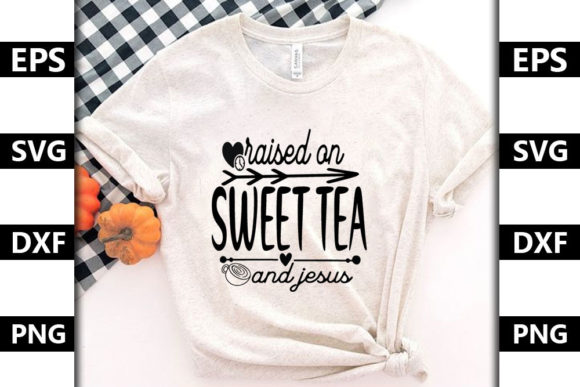
Exploring ChristanJesu SVG Design and the Raised on Sweet Aesthetic
Christian-themed SVG designs have become a meaningful way for individuals, churches, and small businesses to express faith through digital and printed media. Among the many styles available, ChristanJesu SVG Design ,Raised on Sweet and offers a distinctive approach that blends classic religious imagery with a warm, approachable visual language. Whether you are creating resources for a ministry, designing gifts, or building a personal project, understanding what this design style offers and how it fits into the broader landscape of Christian graphics can help you make a more informed choice.
This article examines the defining characteristics of ChristanJesu SVG Design ,Raised on Sweet and, compares it with other common Christian SVG styles, explores its strengths and limitations, and provides practical guidance on when it may be the right fit for your needs.
What Defines ChristanJesu SVG Design ,Raised on Sweet
At its core, ChristanJesu SVG Design ,Raised on Sweet refers to a collection or style of scalable vector graphics that center on Jesus Christ and Christian symbolism, rendered with a distinctly gentle, heartwarming aesthetic. The phrase "Raised on Sweet" suggests a design philosophy rooted in kindness, tenderness, and a sense of comforting familiarity. This is not a stark, overly formal, or highly theological illustration style. Instead, it leans into softer lines, warm color palettes, and imagery that evokes grace, love, and approachability.
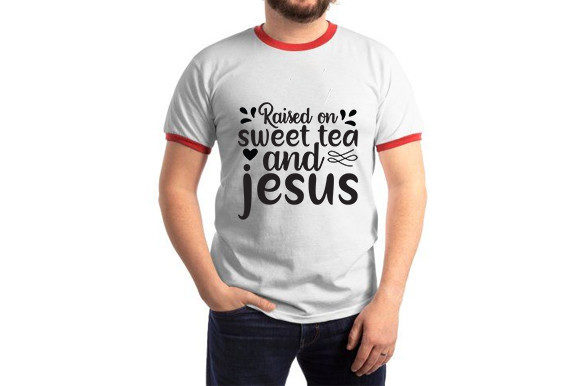
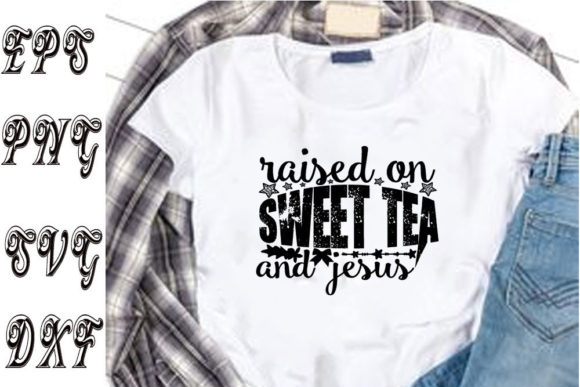
Typical elements you might find in this design approach include depictions of Jesus with a calm, welcoming expression, crosses intertwined with floral or decorative motifs, scripture verses presented in elegant but readable typography, and symbols like the ichthus or dove rendered in a gentle, non-intimidating manner. The SVG format itself is a practical advantage: these files are resolution-independent, easy to edit, and work well for both screen and print applications.
What makes this style distinct is its emotional tone. While many Christian SVG designs aim for reverence or traditional iconography, ChristanJesu SVG Design ,Raised on Sweet and prioritizes warmth and accessibility. It is designed to feel personal rather than distant, inviting rather than authoritative. This makes it particularly appealing for projects aimed at children, families, or outreach contexts where a gentle first impression matters.
Comparing the Sweet Aesthetic with Other Christian SVG Styles
To appreciate where this design style fits, it helps to compare it with other common approaches in Christian SVG design. No single style is inherently superior; each serves different audiences, contexts, and purposes.
Traditional and Iconographic Styles
Traditional Christian SVG designs often draw from centuries of religious art. They may feature detailed depictions of the crucifixion, saints, or liturgical symbols rendered in a realistic or historically inspired manner. These designs carry a sense of solemnity and theological depth. They are well suited for formal church materials, liturgical use, or for individuals who value historical continuity. However, they can feel less accessible to casual or younger audiences. ChristanJesu SVG Design ,Raised on Sweet and offers a contrast by focusing on emotional warmth rather than historical precision. If your project needs to feel reverent and grounded in tradition, a more iconographic style may serve you better. If you want to communicate God's love in a gentle, everyday way, the sweet aesthetic is likely a stronger choice.
Modern Minimalist Styles
Minimalist Christian SVG designs use clean lines, simple shapes, and limited color palettes. They are popular for branding, modern church websites, and contemporary decor. The strength of minimalism is its versatility and ability to fit into a wide range of visual environments without clashing. ChristanJesu SVG Design ,Raised on Sweet and shares some overlap with minimalism in its use of clean vector shapes, but it typically adds more decorative detail and emotional texture. The sweet style is less stark and more ornamental, which can be an advantage when you want the design to feel rich and inviting rather than sparse. For ultra-modern or corporate-style projects, minimalism may be preferable. For projects that aim to feel cozy, nurturing, or personally meaningful, the sweet aesthetic often resonates more deeply.
Whimsical and Youth-Oriented Styles
Some Christian SVG designs adopt a playful, cartoon-like style. These are common in children's ministry materials, nursery decor, and youth group branding. The "Raised on Sweet" approach is related but distinct. It is not cartoonish or overly playful; instead, it maintains a quiet dignity while being warm and soft. It sits between the formality of traditional art and the playfulness of cartoon styles. This makes it a good middle ground for family-oriented projects that need to appeal to both adults and children without feeling childish. If your audience is primarily young children, a more whimsical style might be more engaging. If you need something that works across ages, ChristanJesu SVG Design ,Raised on Sweet and provides a balanced option.
Typography-First Designs
Many Christian SVG designs focus heavily on text, such as scripture verses or faith-based phrases rendered in decorative fonts. These are effective for posters, social media graphics, and merchandise. The sweet aesthetic often incorporates typography as well, but it integrates it with imagery and visual motifs. The result is a more holistic design where text and art support each other. If your primary goal is to highlight a specific verse or message, a typography-first design might be more direct. If you want the overall image to convey a feeling of sweetness and grace, the integrated approach of the sweet style is more immersive.
Strengths and Best-Fit Situations
ChristanJesu SVG Design ,Raised on Sweet and excels in several specific contexts. Understanding these can help you decide when to lean into this style.
- Family and children's ministry resources: The gentle imagery is non-threatening and communicates God's love in a way that young children can intuitively grasp. Bulletins, coloring pages, lesson handouts, and room decor benefit from this soft approach.
- Welcoming church branding: For churches that emphasize hospitality, community, and acceptance, this design style visually reinforces those values. It signals that the space is safe and warm, especially for visitors who may feel hesitant about stepping into a religious environment.
- Personal devotional use: Individuals creating personal prayer journals, scripture cards, or home decor often prefer designs that feel intimate and comforting. The sweet aesthetic supports a personal, reflective experience.
- Gift items and merchandise: Products like mugs, T-shirts, tote bags, and greeting cards with Christian themes are more appealing when the design feels friendly and approachable. This style translates well to physical products and often receives positive responses from a broad audience.
- Social media and digital content: Warm, visually soft graphics tend to perform well on platforms like Instagram and Facebook, where users scroll quickly and respond to emotional cues. The sweet style can help your content stand out without being aggressive or overly promotional.
Limitations and When to Consider Alternatives
No design style is universal. ChristanJesu SVG Design ,Raised on Sweet and has certain limitations that are important to acknowledge.
- Formal or liturgical contexts: If you are designing materials for a formal worship service, a traditional or liturgical setting, or a theological publication, the sweet aesthetic may feel too casual or sentimental. The reverence of those contexts often calls for more solemn or iconic imagery.
- Audiences seeking theological depth: Some viewers prefer designs that reflect deep theological symbolism or historical accuracy. The sweet style prioritizes emotional tone over doctrinal detail. For those who value precision in religious representation, a more studied design approach may be necessary.
- Modern or minimalist brand identities: If your church or organization has a sleek, modern brand identity, the ornate and warm nature of the sweet aesthetic might conflict with that visual language. Minimalist or geometric styles would be more cohesive.
- Men's ministry or rugged themes: For contexts targeting a predominantly male audience or themes like spiritual warfare, strength, or perseverance, the gentle tone of this style may not resonate. More bold, graphic, or textured designs would better suit those needs.
- Production constraints: While SVG files are scalable, highly detailed sweet-style designs with many decorative elements may become complex for certain production methods, such as vinyl cutting or embroidery. Always test your specific design file with your production process.
Practical Decision Factors
When evaluating whether ChristanJesu SVG Design ,Raised on Sweet and is right for your project, consider the following questions:
- Who is your primary audience? If you are designing for families, children, or individuals seeking comfort, this style aligns well. For academic, liturgical, or highly traditional audiences, consider a more formal approach.
- What emotional tone do you want to convey? If warmth, gentleness, and approachability are your priorities, the sweet aesthetic is a natural fit. If you need to convey authority, awe, or solemnity, other styles may serve you better.
- How will the design be used? For digital content, social media, and personal gifts, this style excels. For large-scale church signage, formal bulletins, or theological textbooks, test whether the aesthetic matches the context.
- What is your existing brand identity? If your visual identity is already warm and inviting, the sweet style will integrate smoothly. If your brand is modern, minimalist, or traditional, evaluate the visual consistency.
- Are you combining multiple design styles? Mixing styles can be effective, but it requires care. The sweet aesthetic pairs well with other soft, organic, or vintage-inspired designs. It may clash with stark modernism or highly realistic art.
Realistic Examples of Use Cases
Consider a church planning a new children's ministry space. The walls, activity sheets, and welcome materials need to feel safe and loving. Using ChristanJesu SVG Design ,Raised on Sweet and for wall decals and handouts creates a cohesive environment where children encounter faith as a gentle invitation. The same church's main sanctuary, however, might use a more traditional cross or iconography to maintain reverence during worship. This is a good example of matching design style to context within the same organization.
Another example: a small business selling Christian greeting cards. A line of cards using the sweet aesthetic might focus on themes of encouragement, sympathy, and everyday blessings. These cards would appeal to buyers looking for a heartfelt, non-intimidating way to share their faith. If the same business wanted to produce a line of cards for confirmation or baptism, they might supplement with more traditional designs to honor the sacrament's formality.
For an individual creating a personal prayer journal at home, the sweet style offers a way to make the journal feel like a comforting companion. The imagery can soften the experience of difficult emotions and create a visual space of safety. This is a context where the style's limitations are largely irrelevant, and its strengths are fully realized.
Making an Informed Choice
ChristanJesu SVG Design ,Raised on Sweet and occupies a specific and valuable niche within the broader world of Christian graphics. It is not a replacement for traditional, minimalist, or playful styles. Rather, it is a distinct option that excels when warmth, gentleness, and emotional accessibility are the primary goals. By understanding its strengths and limitations, you can make a deliberate choice that serves your audience and your message effectively.
When evaluating any Christian SVG design, focus on the fit between the visual tone and the purpose of your project. The sweet aesthetic is a tool, not a dogma. Used thoughtfully, it can help you communicate faith in a way that feels personal, kind, and inviting. Used without consideration of context, it may feel mismatched. By weighing the factors outlined here, you are better equipped to choose the style that aligns with your vision and serves those who will encounter your work.