Coffee T-Shirt Design: Visual Impact
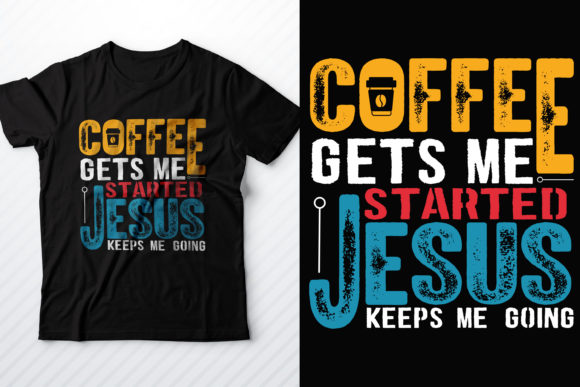
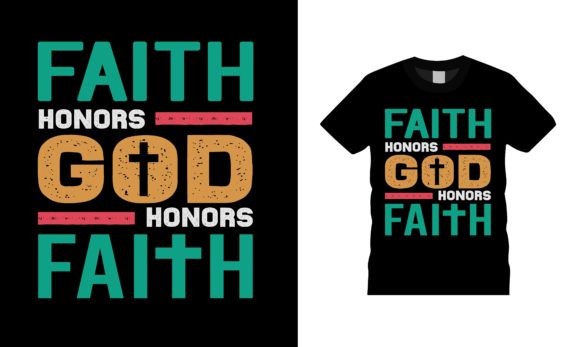
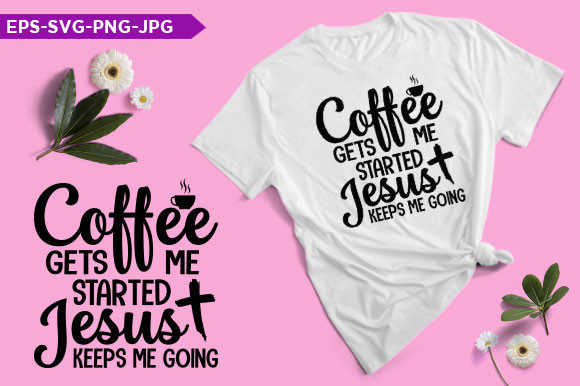
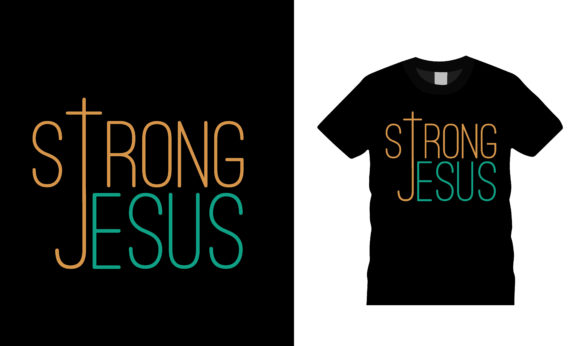
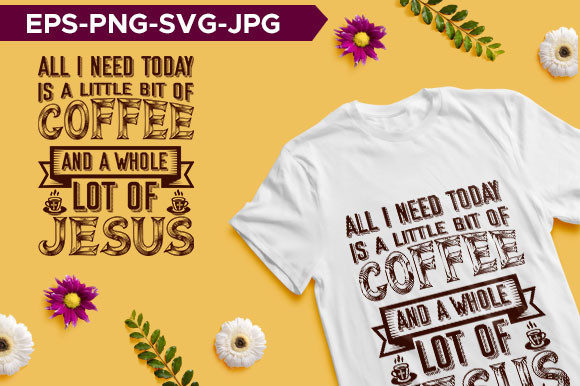
Some design concepts transcend the screen and land directly on the streets, becoming walking billboards for a specific mood or mindset. The All I Need Today is Coffee T-shirt is a perfect case study in how typography, color palette, and visual hierarchy merge to create a compelling brand identity piece that resonates on a personal level. For graphic designers, this simple garment represents much more than apparel—it’s a canvas for mastering core design principles.
Why Typography Dictates the Success of Apparel Design
When a design relies heavily on text, every typographic choice carries immense weight. In the context of the All I Need Today is Coffee T-shirt, the selection of typeface directly communicates the brand’s personality. Is it a playful handwritten style? A bold, industrial sans-serif? Or a delicate, elegant serif? The most effective apparel designs prioritize legibility and emotional tone. A designer must consider visual hierarchy—what word needs to be seen first? How does the eye travel across the chest? This is where kerning, tracking, and line spacing transform a simple phrase into a polished piece of visual design. A well-executed typography layout on a shirt functions exactly like a hero section on a website: it captures attention instantly.
Matching Fonts to Audience Expectations
Understanding the target demographic is crucial. A color palette that feels energetic to Gen Z might feel chaotic to a luxury audience. For the All I Need Today is Coffee T-shirt, the designer must ask: Does this appeal to remote workers, baristas, or streetwear enthusiasts? The answer dictates the entire brand identity surrounding the product. A muted earth tone palette suggests sustainability and calm, while neon accents scream hype-beast culture.
Extending the Design Beyond the T-Shirt
One of the biggest mistakes in graphic design is treating a concept as a one-off. The best creative assets are scalable. The typography and layout used for a statement T-shirt should seamlessly translate into other mediums to maintain consistency across marketing channels.
- Social Media Graphics: Use the same typographic style for Instagram posts and stories to build brand identity and recognition.
- Packaging Design: If the shirt is part of a coffee brand, the tag labels, bags, and cups should echo the same design trends and aesthetic.
- Web Design / UI Design: A minimalist landing page featuring the same visual hierarchy creates a cohesive user experience (UX) that feels intentional.
Consistency is key in digital marketing. When a customer sees the same typography on a T-shirt, an email newsletter, and a website banner, it reinforces the brand’s reliability. For UI design, this teaches us that simplification often leads to higher engagement. A single, well-chosen font weight can carry an entire campaign if the composition is solid.
Practical Applications for Modern Creative Projects
Whether you are working on logo design, editorial design, or packaging design, the principles behind this T-shirt apply universally. Here is how you can integrate similar strategies into your design workflow:
- Start with a Single Core Message. Just like "All I Need Today is Coffee," distill the brand voice into a short, powerful statement.
- Build the Color Palette First. Choose two to three colors that define the mood. This ensures modern aesthetics without overwhelming the viewer.
- Test for Scalability. Does the design work at 100% size on a shirt? Does it work as a tiny app icon? Scalability is the hallmark of great visual design.
- Prioritize Readability. If the audience can't read it instantly, the communication fails. This is a fundamental rule in print design and web design alike.
The Role of Negative Space in Modern Aesthetics
In the rush to be bold, many designers overcrowd their compositions. A successful typography-driven design succeeds because it relies on generous negative space. This breathing room allows the typography to command authority. In professional presentation, less is always more. Whether you are designing a landing page or a billboard, white space acts as a visual pause that helps the message sink in.
Design Trends and the Future of Merchandise Design
Current design trends lean heavily into retro minimalism, anti-design, and bold utilitarian typography. Apparel like the All I Need Today is Coffee T-shirt sits at the intersection of these movements. It is personal, direct, and aesthetically raw. For creative projects, this signals a shift away from complex illustrations towards typography-driven branding.
As digital and physical worlds merge, design inspiration often comes from analog sources. A T-shirt design teaches us about texture, fabric, and wear—elements that UX design often tries to simulate through micro-interactions. By studying how ink hits cotton, a designer can better understand how pixels hit a screen.
Ultimately, thoughtful visual design turns a simple phrase into an iconic statement. By committing to strong typography, intentional color choices, and rigorous consistency across all mediums, you can elevate everyday merchandise into a powerful piece of brand identity that communicates clearly and endures.