Christmas T-Shirt Craft Design Ideas
When the holiday season arrives, many of us look for ways to express festive spirit through handmade, personalized items. Christmas t-shirt craft design offers a unique blend of creativity, practicality, and seasonal cheer. Whether you are cutting vinyl for a heat press, painting fabric with stencils, or screen printing in a home studio, designing your own Christmas shirts allows you to control everything from the message to the color scheme. This article explores what Christmas t-shirt craft design really means, why it appeals to a wide range of people, and how you can choose the right approach for your skill level, budget, and goals.
What Is Christmas T‑Shirt Craft Design?
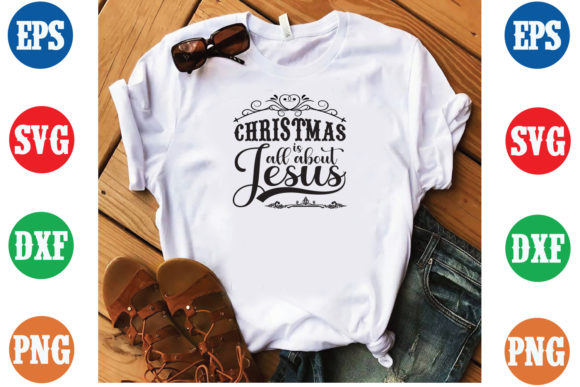
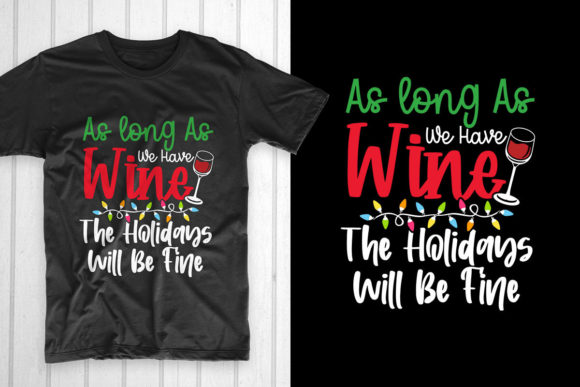
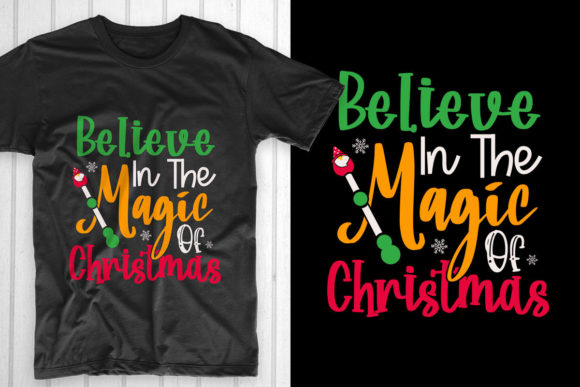
At its core, Christmas t-shirt craft design is the process of creating custom t-shirts with holiday-themed graphics, text, or imagery using craft techniques. Unlike mass-produced apparel, these designs are made by hand—often in small batches or as one-of-a-kind pieces. Common methods include iron-on transfers, adhesive vinyl cut with a plotter, fabric paint, bleach stenciling, and even embroidery. The craft aspect means the maker has direct control over every detail, from the type of shirt blank to the placement of the design.
For many, the appeal lies in the combination of artistry and functionality. A Christmas t-shirt is not just a piece of clothing; it becomes a canvas for holiday memories, family inside jokes, or a business opportunity. The term “Christmas craft design” emphasizes that the creation is as important as the final product—each shirt carries the maker’s personal touch.
Why Different People Care About Christmas T‑Shirt Craft Design
Interest in this hobby varies greatly depending on who you are and what you hope to achieve. Here are some of the most common perspectives.
For Hobbyists and Creative Individuals
If you enjoy making things with your hands, Christmas t-shirt craft design offers a satisfying, seasonal project. You might spend an afternoon sketching a whimsical reindeer, cutting heat-transfer vinyl, and pressing it onto a cozy sweater-shirt for your child. The learning curve is gentle for beginners—many start with simple iron-on letters or pre-designed patterns. Experienced crafters, on the other hand, may layer multiple techniques, such as combining screen printing with hand-painted details. The priority here is usually creativity and personal enjoyment, not speed or profit.
For Entrepreneurs and Small Business Owners
Seasonal apparel can be a lucrative niche, and Christmas t-shirts consistently sell well from November through December. Small business owners—whether they run an Etsy shop, a local boutique, or a print-on-demand store—often turn to craft design methods to produce limited runs or custom orders. Using a heat press or vinyl cutter allows you to fulfill orders quickly without a large upfront investment. However, reliability and consistency matter more here than in a hobby setting. You need to ensure every shirt looks professional and withstands washing. Many entrepreneurs test different materials, such as premium stretch vinyl versus standard iron-on, to balance cost and durability.
For Educators and Group Leaders
Teachers, scout leaders, and church group coordinators often use Christmas t-shirt craft design as a team activity. A classroom project might involve each child decorating a shirt with fabric markers or sponge stamps. The focus is on ease of use, safety, and low cost. For group events like holiday parties or family reunions, pre-cut vinyl appliqués can be pressed onto shirts for a uniform look. Educators value the learning potential—kids practice fine motor skills, color matching, and following instructions—while also creating a wearable memory.
For Marketers and Bloggers
Content creators and social media marketers sometimes use custom Christmas shirts to build brand recognition or create shareable visuals. A blogger launching a holiday giveaway might design shirts featuring their logo dressed in a Santa hat. Craft design allows for rapid prototyping: you can test a design, photograph it, and gauge audience reaction before committing to larger production. Marketers prioritize presentation and speed—they need shirts that photograph well and arrive quickly for content shoots.
Key Considerations When Choosing a Method
Not all Christmas t-shirt craft design approaches are equal. Your choice depends on what you value most.
Ease of Use vs. Durability
Iron-on transfer paper is one of the simplest entry points: you print a design, cut it out, and press it with a household iron. The process is quick and requires little specialized gear. However, the final shirt may crack or peel after a few washes. For longer-lasting results, heat-transfer vinyl or screen printing require more equipment but yield shirts that can survive many holiday seasons. Beginners often start with iron-ons to learn the basics, then upgrade to a heat press once they confirm their interest.
Cost and Scalability
If you are making one or two shirts for family members, you can keep costs low with fabric paint and a brush. But if you plan to sell 50 shirts at a craft fair, you need a method that scales. Heat-transfer vinyl with a vinyl cutter can produce identical designs quickly, but the per-shirt material cost is higher than screen printing for large runs. Small business owners should calculate the break‑even point for each method. For example, screen printing has a high setup cost (screens, emulsion, ink) but very low per‑shirt cost after the first dozen.
Creativity and Customization
Sometimes the goal is to make something unique—like a shirt with the family inside joke “Santa’s Favorite Cousin” in a custom font. Techniques like bleach stenciling, hand-painting, or appliqué give you unlimited creative freedom. These methods are slower and less precise, but the results are one‑of‑a‑kind. For hobbyists and gift‑makers, this unpredictability is part of the charm. For commercial sellers, offering custom text or color options can justify a higher price point, as long as the process remains manageable.
How to Get Started with Christmas T‑Shirt Craft Design
No matter your audience or intention, the basic steps are similar. Start by choosing a shirt blank. Opt for 100% cotton or a cotton‑polyester blend depending on the method—cotton works best for dye‑based paints and transfers, while blends hold up well with vinyl. Next, decide on a design. If you are new, use free online templates or simple geometric shapes like trees and stars. Keep your first project small: a single‑color graphic on the chest is classic and forgiving.
Prepare your workspace. For heat methods, you need a hard, heat‑resistant surface and a heat press or iron. For painting, lay down newspaper and have brushes, stencils, and fabric paint ready. Test on a scrap piece of fabric before committing to the final shirt. Pay attention to placement—center the design or offset it for a modern look. After applying, follow the care instructions: most hand‑crafted shirts should be washed inside out in cold water and air‑dried to preserve the design.
If you plan to sell, document your process. Take clear photos of each step for listings or social media. Build a small inventory of popular sizes before the holiday rush. Many entrepreneurs find that offering “pre‑order” or “made‑to‑order” reduces waste while still meeting demand.
Matching the Approach to Your Goals
Before you start cutting vinyl or mixing paint, ask yourself a few questions. What is the primary purpose of this shirt? Is it a gift, a personal project, a product, or a team activity? How many shirts do you need, and how much time do you have? Do you care more about the look or the longevity? Your answers will guide you toward the best technique.
For example, a mom making matching shirts for her three kids to wear on Christmas morning will prioritize comfort and cuteness—she might choose freezer paper stencils with fabric paint because it’s inexpensive and hand‑made. A freelancer launching a holiday line for clients, on the other hand, needs professional finish and consistency; heat‑transfer vinyl with a commercial heat press is a better fit. An educator leading a classroom project might use fabric markers because they are mess‑free and require no heat press.
Christmas t-shirt craft design is flexible enough to accommodate all these scenarios. The real value is in how the process brings an idea to life, whether you are crafting for yourself or for a larger audience.