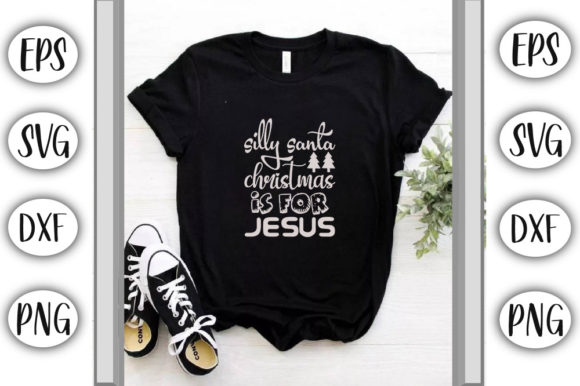
Adventure SVG Meets Silly Santa
Imagine a design asset that blends the thrill of an adventure theme with the playful absurdity of a silly Santa—suddenly your creative toolkit feels infinitely more versatile. Adventure SVG design and silly Santa graphics are more than niche oddities; they represent a growing demand for personality and storytelling in modern visual design. Whether you're refreshing a brand identity or crafting seasonal social media content, these assets offer a way to inject humor, movement, and unexpected charm into your work without sacrificing professional polish.
Why These Assets Matter in Contemporary Graphic Design
Graphic design today is defined by the tension between consistency and surprise. While clean, scalable vector files are essential for everything from logos to packaging, the most memorable brand identities often pivot on a single, delightful detail. That is exactly where Adventure SVG design and silly Santa elements shine. They provide a bridge between rigorous brand systems and the human need for levity, making them powerful tools for visual communication that resonates on an emotional level.
Strengthening Brand Identity Through Playful Contrast
A brand that dares to be both adventurous and slightly ridiculous signals confidence. Using a silly Santa in a winter campaign, for instance, can cut through the visual noise of overly polished holiday advertising. When paired with bold typography and a restrained color palette, even the most whimsical SVG becomes a deliberate design choice. This contrast reinforces visual hierarchy—the absurd element draws the eye, while clean lines and consistent spacing guide the viewer through the message.
Practical Applications Across Design Disciplines
The versatility of Adventure SVG design and silly Santa graphics extends far beyond Christmas cards. Here is how you can integrate them into real projects while maintaining professional standards:
- Branding and logo design – Use a reduced or abstracted version of the character as a secondary mark for casual brand extensions, merchandise, or limited-edition packaging.
- Social media graphics – An animated silly Santa or an adventure-themed SVG can become a recurring visual hook for Instagram Stories or TikTok posts, improving user engagement through familiarity and surprise.
- Web and UI design – Small, playful SVG icons can serve as micro-interactions, loading animations, or error page illustrations without compromising load speed or scalability.
- Editorial and print design – Magazine spreads, posters, and flyers benefit from the color contrast and negative space that a well-placed character provides, especially when balanced with clean serif or sans-serif type.
- Packaging and merchandise – From sticker sheets to apparel, adventure-themed SVGs offer infinite repeatability and crisp edges, while a silly Santa motif adds collectible appeal.
Maintaining Readability and Scalability
When working with highly detailed or exaggerated vector forms, always test legibility at multiple sizes. A silly Santa with intricate beard lines may look fantastic on a billboard but turn into visual noise on a mobile screen. Similarly, adventure-themed backgrounds with layered mountains, trees, or compasses can overwhelm a logo lockup. Stick to silhouettes, simplified shapes, or limited color versions of your SVG to preserve readability across all touchpoints.
Choosing the Right Design Elements for Your Project
Not every playful graphic fits every brand. Before dropping a silly Santa into your marketing collateral, evaluate three factors: audience expectations, brand voice, and design goals. A children's toy brand can lean fully into absurdity. A financial services firm, however, might use the same asset only in internal newsletters or team celebration graphics. The key is to match the level of whimsy with the emotional context of the message.
Color Palette and Typography Synergy
Adventure SVG design often relies on earthy tones, deep blues, or warm neutrals to evoke exploration. In contrast, a silly Santa typically uses bright reds, whites, and greens. To unify them under one visual identity, pull one or two accent colors from the character and repeat them in your typography or background shapes. For example, pair a silly Santa's red hat with a bold sans-serif headline, then use a subdued navy for body text. This creates a cohesive relationship between imagery and text, strengthening both visual hierarchy and brand recognition.
Integrating Creative Assets Into a Consistent Workflow
To get the most out of Adventure SVG design and silly Santa graphics, treat them as modular components within a larger brand system. Rather than forcing the asset into every layout, establish rules for its use—perhaps it appears only in specific social campaigns or as an Easter egg in email headers. This approach maintains the element of surprise while protecting brand consistency. For UI and UX design, ensure SVG files are optimized for web delivery to avoid slow load times, and always include descriptive alt text for accessibility.
- Scale proportionally to preserve aspect ratio and avoid distortion.
- Limit color variations to three or fewer to keep the file lightweight.
- Test against light and dark backgrounds to ensure contrast remains strong.
Final Thoughts on Thoughtful Design Choices
The difference between a gimmick and a genuine design asset often comes down to intentionality. When you select an Adventure SVG design or a silly Santa graphic, you are not just adding decoration—you are inviting your audience to share a moment of recognition or amusement. By pairing these elements with sound typography, a controlled color palette, and clear visual hierarchy, you elevate your creative projects from merely functional to genuinely engaging. Quality assets, used with restraint and purpose, improve both the aesthetics of your communication and the emotional impact of your message.